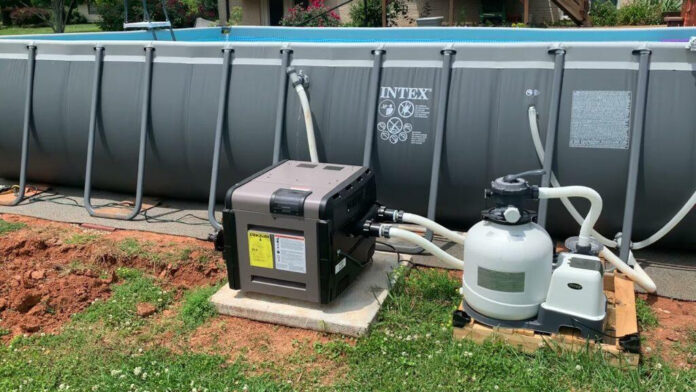
Swimming pools provide homeowners with a place to relax, entertain guests, and enjoy outdoor living throughout the warmer months. In New Jersey, however, changing weather conditions can often shorten the amount of time pools are comfortable enough to use.
A reliable pool heating system helps extend the swimming season and keeps water temperatures comfortable even during cooler mornings, evenings, and early spring or fall weather.
When pool heaters begin malfunctioning, homeowners may quickly notice reduced water temperatures, inconsistent heating, or complete system failures.
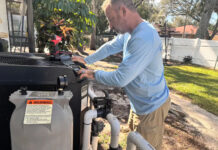
Whether dealing with an older gas heater, a failing heat pump, or a damaged heating control system, professional pool heater repair and replacement services help restore comfort and improve pool performance.
Modern swimming pool heaters are more energy efficient and reliable than older systems, making equipment upgrades a smart investment for many homeowners.
From diagnosing heating issues to installing high-efficiency replacement systems, professional service can help improve the lifespan and performance of residential pool equipment.
Why Pool Heaters Matter for New Jersey Homeowners
New Jersey weather can be unpredictable throughout the swimming season. Even during the summer months, cooler nights and changing temperatures can make pool water uncomfortable without a dependable heating system.
Pool heaters help homeowners:
- Extend the swimming season
- Maintain consistent water temperatures
- Improve comfort for swimmers
- Increase pool usage
- Enhance backyard entertainment
- Add convenience for families and guests
For many homeowners, investing in a quality pool heater allows them to enjoy their pool weeks or even months longer than they otherwise could without heated water.
Common Pool Heater Problems
Pool heaters operate under demanding conditions. Constant exposure to water, moisture, changing temperatures, and pool chemicals naturally causes wear and tear over time. As heaters age, various mechanical and electrical components may begin to fail.
Some of the most common pool heater issues include:
- Heater not turning on
- Inconsistent water temperature
- Water failing to reach desired temperature
- Loud noises during operation
- Corrosion or rust
- Water leaks
- Pilot light or ignition problems
- Error messages on digital displays
- Frequent shutdowns
- Poor heating efficiency
In many cases, these problems begin gradually before becoming more severe. Addressing smaller issues early can often help avoid major system failures later.
Causes of Pool Heater Failure
Several factors can contribute to heater damage and reduced performance. One of the leading causes of heater problems is improper pool water chemistry.
Water that is too acidic or improperly balanced can corrode internal components and shorten the lifespan of the heating system.
Additional causes of heater failure may include:
- Scale buildup
- Dirty filters restricting circulation
- Clogged burners
- Electrical malfunctions
- Damaged sensors
- Worn heat exchangers
- Poor ventilation
- Aging components
Routine inspections and preventative maintenance can help identify these issues before they lead to complete equipment breakdowns.
Pool Heater Repair Services
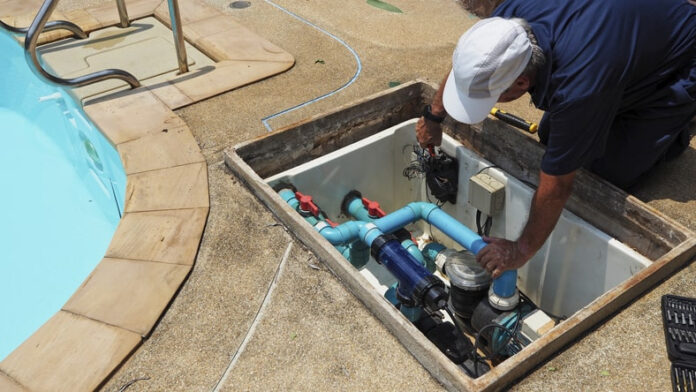
Many heating system problems can be repaired without needing a full replacement. Professional pool technicians can diagnose the issue and recommend the most cost-effective solution based on the condition and age of the heater.
Pool heater repair services may include:
- Ignition repair
- Electrical troubleshooting
- Thermostat replacement
- Sensor replacement
- Leak repair
- Burner cleaning
- Heat exchanger repair
- Digital control repairs
- Pressure switch replacement
Prompt repairs help restore heating performance and prevent additional stress on other pool equipment components.
Signs It May Be Time for Pool Heater Replacement
Although repairs can resolve many heater problems, older systems eventually become inefficient or unreliable. Repeated repairs on aging equipment can become expensive, especially when energy costs continue rising.
Some signs that may indicate it is time for pool heater replacement include:
- Frequent breakdowns
- Rising utility bills
- Rust or corrosion damage
- Cracked heat exchanger
- Difficulty finding replacement parts
- Poor heating performance
- Heater age exceeding 10 years
- Excessive repair costs
Replacing an older heater with a modern energy-efficient system can help reduce long-term maintenance expenses while improving heating performance.
Gas Pool Heaters
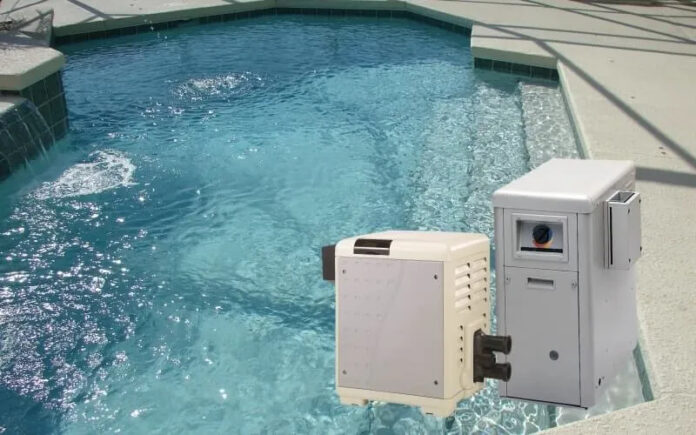
Gas pool heaters remain one of the most popular heating options for residential pools. These systems heat water quickly and perform well even during cooler outdoor temperatures.
Advantages of gas pool heaters include:
- Rapid heating
- Reliable performance
- Effective operation in colder weather
- Suitable for occasional pool use
- Strong heating capacity
Gas heaters are often ideal for homeowners who want to quickly warm the pool before weekends, parties, or special events.
Pool Heat Pumps
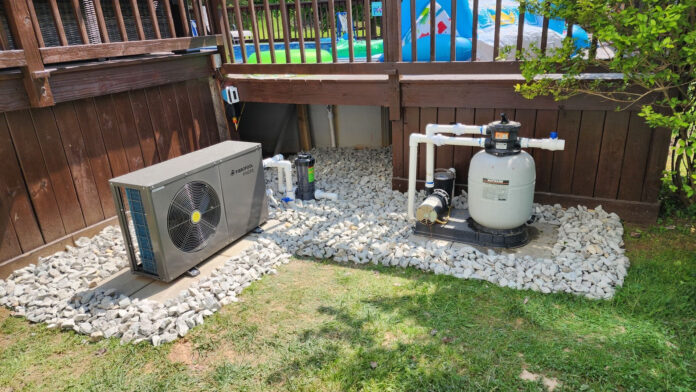
Heat pumps have become increasingly popular due to their energy-efficient operation. Unlike gas heaters, heat pumps use outside air to transfer heat into the pool water.
Benefits of heat pumps include:
- Lower operating costs
- Improved energy efficiency
- Quiet operation
- Environmentally friendly performance
- Consistent heating
Heat pumps are often preferred by homeowners who use their pool regularly throughout the season and want lower monthly energy costs.
Energy Efficiency and Modern Pool Heating Systems
Newer pool heaters are designed with advanced technology that improves both efficiency and reliability. Many modern systems include digital controls, automation compatibility, and variable-speed integration that help optimize performance.
Benefits of upgrading to modern heating equipment may include:
- Lower monthly utility costs
- Faster heating times
- More precise temperature control
- Reduced maintenance needs
- Improved reliability
- Longer equipment lifespan
High-efficiency pool heaters can also help reduce environmental impact while providing more comfortable swimming conditions.
Pool Automation and Heater Integration
Many homeowners are upgrading to automated pool control systems that allow them to manage heaters remotely using smartphones or digital control panels.
Pool automation systems may allow homeowners to:
- Adjust water temperature remotely
- Schedule heating cycles
- Monitor equipment performance
- Improve energy efficiency
- Control multiple pool features from one system
Automation upgrades can improve convenience while helping reduce unnecessary heating costs.
Importance of Proper Water Circulation
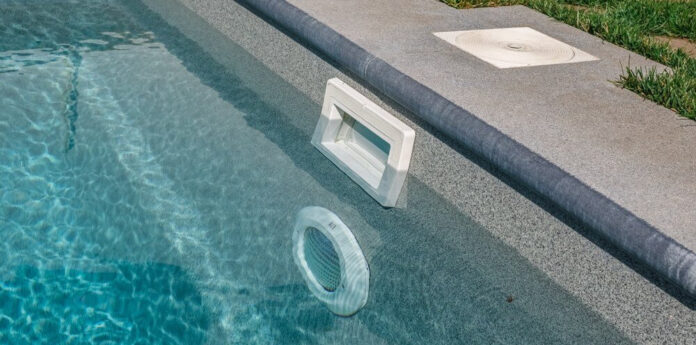
Proper water circulation is essential for heater performance. Dirty filters, clogged plumbing lines, or failing pumps can restrict water flow and place unnecessary strain on the heating system.
Poor circulation can lead to:
- Reduced heating efficiency
- Overheating
- Scale buildup
- System shutdowns
- Increased wear on components
Maintaining clean filters and properly functioning pumps helps support efficient heater operation.
Pool Heater Maintenance Tips
Preventative maintenance can help extend the life of a pool heater and reduce the likelihood of unexpected breakdowns during the swimming season.
Recommended pool heater maintenance practices include:
- Maintaining balanced water chemistry
- Cleaning filters regularly
- Scheduling annual inspections
- Keeping debris away from equipment
- Monitoring for leaks or corrosion
- Addressing unusual noises quickly
- Ensuring proper water flow
Regular maintenance also helps identify worn components before they fail completely.
Pool Heater Services in Monmouth County NJ
Professional pool heater repair and replacement services are available throughout Monmouth County NJ. Homeowners across the region rely on experienced pool service technicians to maintain heating systems and improve swimming comfort throughout the season.
Service areas commonly include:
- Middletown Township
- Howell Township
- Marlboro Township
- Manalapan Township
- Freehold Township
- Long Branch
- Aberdeen Township
Homeowners in these communities often rely on pool heating systems to maximize pool usage and maintain comfortable water temperatures throughout the year.
Why Professional Pool Heater Service Matters
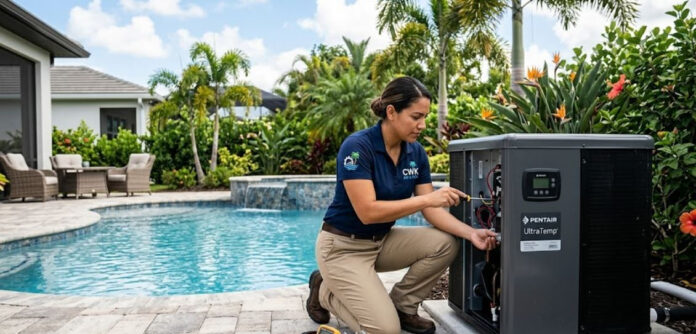
Pool heaters contain complex gas, electrical, and mechanical components that require professional knowledge and proper installation techniques. Attempting DIY heater repairs can create safety hazards and potentially cause additional equipment damage.
Experienced pool heater technicians can:
- Diagnose issues accurately
- Recommend the best repair or replacement options
- Install new systems safely
- Improve energy efficiency
- Ensure proper system compatibility
- Help extend equipment lifespan
Professional service also helps homeowners avoid unnecessary repair costs caused by improper installation or incorrect troubleshooting.
Improve Comfort and Extend Your Swimming Season
A reliable pool heating system can dramatically improve the overall swimming experience for homeowners and their families. Warm, comfortable water encourages more frequent pool use while helping maximize the value of the investment in the pool itself.
Whether dealing with a failing heater, outdated equipment, or rising energy costs, professional pool heater repair and replacement services help maintain reliable performance and improve efficiency. Central Jersey Pools provides swimming pool heater services throughout Monmouth County NJ, helping homeowners keep their pools comfortable, efficient, and ready to enjoy throughout the swimming season.