
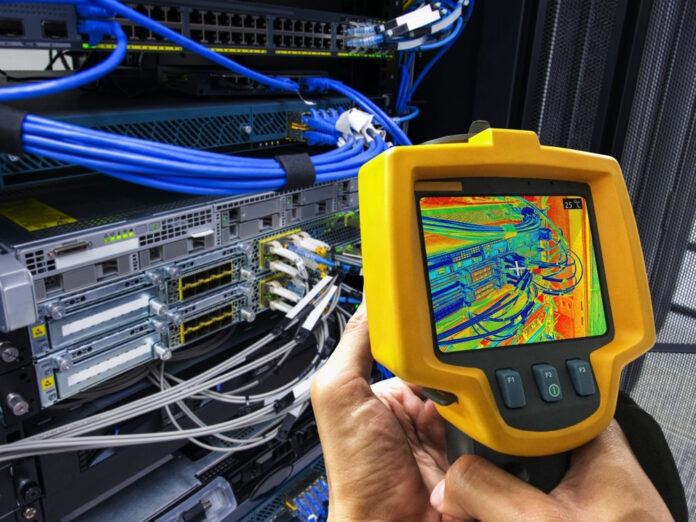
Thermal sensors play an important role in modern motion detection because they can identify heat changes that ordinary visual systems may miss. By measuring infrared radiation, these sensors help systems detect movement, monitor temperature, and respond more accurately in different environments.
From security systems and smart buildings to HVAC and industrial monitoring, thermal sensor technology supports faster, more reliable detection. The right sensor can improve safety, reduce false alarms, and help systems make better real-time decisions.
Unveiling the Future of Motion Detection with Thermal Sensors
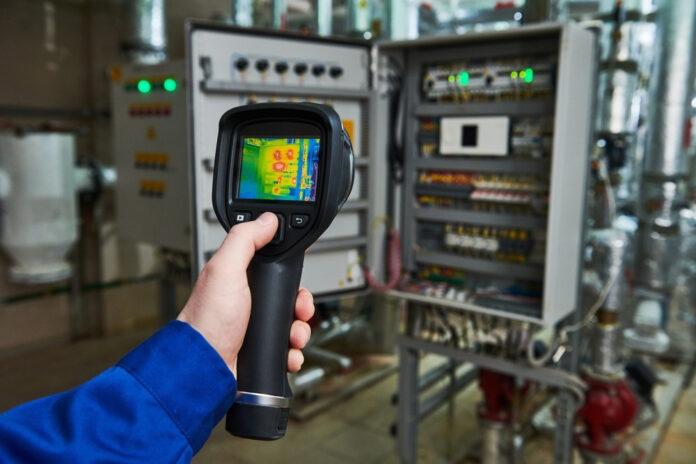
In the landscape of modern sensing technologies, thermal sensors stand out. Measuring infrared radiation, these devices are becoming increasingly essential in motion detection applications. Why are they so important right now? The answer is straightforward: they provide unparalleled accuracy and responsiveness.
The Science Behind Pyroelectric Detecting Technology
Many thermal sensors leverage the pyroelectric effect, a fascinating phenomenon where certain materials generate electrical charges due to temperature fluctuations. When an object moves into the pyroelectric detector’s field of view, the shift in infrared radiation is registered, prompting a response. This technology isn’t merely effective; it’s tailored for dynamic environments.
What drives this technology’s effectiveness? Material selection plays a crucial role. Lithium tantalate and polyvinylidene fluoride are common choices for pyroelectric sensors, boasting high sensitivity and extensive operational temperature ranges.
These materials allow for rapid responses to minor disturbances, making them ideal for security systems and automation. Businesses seeking real-time data acquisition have increasingly turned to these advanced technologies.
“The rise of thermal sensors is not just a trend; it’s a transformation in how industries perceive motion detection.”
How Thermopile Detectors Ensure Precision and Reliability
Thermopile detectors take performance to another level. Composed of multiple thermocouples, these devices generate voltage when temperatures differ at the junctions.
This design results in exceptionally high sensitivity, enabling them to detect even the faintest heat signatures. Clients in industrial sectors often choose thermopile technology for its precision and reliability.
The underlying principle is simple: as an object emits heat, the thermopile converts that thermal energy into an electrical signal. This ensures motion detection is not just sound, but well-informed.
Engineers and designers can rely on the accuracy of the data provided, facilitating more sophisticated systems within production lines or security mechanisms.
However, it’s not solely about sensitivity. Thermopile detectors excel at reducing noise, yielding clear signals even in challenging conditions. This reliability is essential for applications where safety and efficiency are paramount.
Key Applications of Thermal Sensors Across Industries
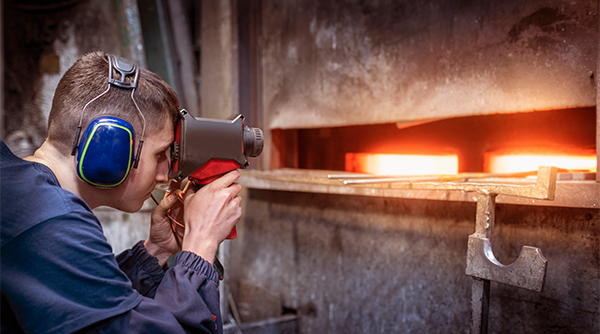
As thermal sensors evolve, so too do their applications. It’s intriguing to see how these devices are transforming various sectors. From security systems to environmental monitoring, their versatility is impressive. Below are insights into two critical industries that derive substantial benefits.
Enhancing Security Systems through Advanced Motion Sensing
In security contexts, thermal sensors are indispensable. They adeptly detect intrusions free from the limitations of visible light. Picture a scenario where a security system employs thermal imaging to monitor expansive areas under varying lighting conditions.
This capability not only enhances efficiency but also bolsters safety for both businesses and residential areas.
- Non-contact detection: This feature is ideal for maintaining safety in restricted areas.
- Day and night functionality: Thermal imaging operates independently of ambient light.
- Reduced false alarms: By targeting heat signatures, unnecessary alerts decrease.
Typically, clients enjoy fewer security breaches when thermal detectors are part of their systems. This peace of mind proves invaluable, especially as the security threat landscape continues to evolve.
Revolutionizing HVAC Solutions with Accurate Temperature Measurement
In HVAC systems, thermal sensors are crucial for boosting energy efficiency. Providing precise temperature measurements leads to better climate control, significantly cutting energy waste. Many businesses are opting for thermal sensor technology to maintain optimal conditions while effectively managing operational costs.
- Real-time feedback: Sensors can swiftly adjust settings based on occupancy levels.
- Energy savings: Intelligent thermal management systems lower consumption rates.
- Improved comfort: Accurate tracking leads to more pleasant environments.
Utilizing thermal sensors allows companies to enhance operational efficiency while dynamically responding to fluctuating needs. Embracing this technology can translate into tangible savings and improved comfort for employees—benefits that resonate throughout any organization.
Selecting the Right Thermal Sensor for Your Needs
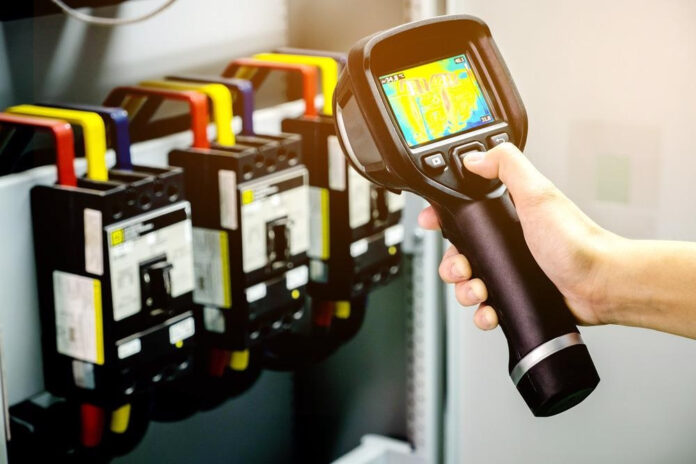
Selecting an appropriate thermal sensor isn’t just about grabbing any device available. Organizations must assess specific requirements meticulously. Several considerations come highly recommended by industry experts.
Determining Sensitivity Levels for Different Environments
The environment significantly influences the choice of thermal sensors. High-traffic areas might need different sensitivity levels than quieter spaces.
To determine these levels, it’s critical to understand both the environment and the required response time for the application at hand. For example, indoor setups may favor quick responsiveness, while outdoor systems might need a better balance of detection range and response time.
Professionals offer several strategies to figure out the necessary sensitivity levels:
- Assessing traffic patterns: Knowing how frequently movement occurs helps to adjust sensitivity appropriately.
- Evaluating environmental factors: Identifying obstacles that could impede detection is essential.
- Testing prototypes: Working with sample units can yield valuable insights prior to full implementation.
Such strategies ensure that the sensor aligns with specific needs instead of settling for a generic solution.
Understanding Calibration Requirements for Optimal Performance
Calibration is an indispensable part of the operation of thermal sensor. Industry professionals underscore the importance of ensuring that these devices maintain their accuracy over time. Mismatched calibrations can lead to significant discrepancies in readings, impacting operational effectiveness.
- Regular checks: Establish routines for calibration checks to uphold accuracy.
- Utilizing reference sources: Comparing sensor outputs against reliable benchmarks is necessary.
- Documenting deviations: Keeping logs of discrepancies and corrective measures is crucial.
Implementing best practices not only enhances performance but also extends the lifespan of the thermal sensors in use.
Maximizing Efficiency with Integrated Thermal Sensor Solutions
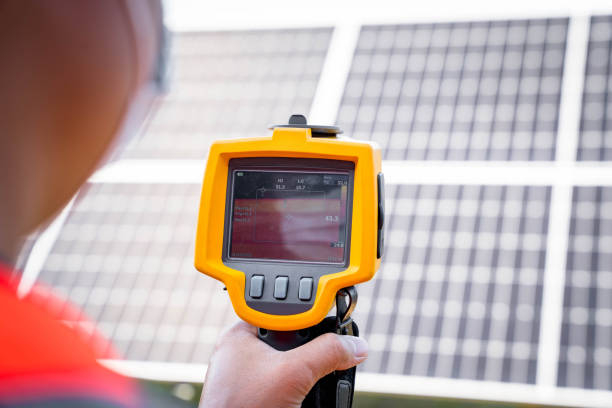
Now, let’s discuss integration. Installing thermal sensors is just the start. Crafting a high-performance system requires more. Experts frequently assert that merging technologies can lead to exceptional results.
Using Combined Technologies for Enhanced Outcomes
Businesses stand to gain immensely from integrating thermal sensors with complementary technologies. Utilizing a combination of thermal and motion detection can lead to superior performances. For example, when thermal sensors are paired with microwave systems, it creates a comprehensive detection approach that enhances reliability.
- Combined detection: Synergistically using various sensing technologies increases accuracy.
- Adaptive systems: These technologies can modify operations based on environmental shifts and detected movements.
- Enhanced data analytics: Gathering varied data types enables more informed decision-making.
Such hybrid strategies lead to smarter systems, and organizations that embrace these integrations often position themselves at the forefront of innovation.
Future Trends: The Evolution of Thermal Sensors in Smart Systems
What lies ahead for thermal sensors? With the rise of smart systems, their role is set to expand. Emerging artificial intelligence technologies are expected to enhance analytical capabilities significantly. As a result, thermal sensors are likely to produce even more precise data outputs, refining motion detection, surveillance, and automation processes.
“The next wave of innovation in thermal sensors hinges on AI, making them even smarter and more integrated in our daily lives.”
Now is the perfect time for companies to invest in integrating thermal sensors, ensuring they’re well-positioned for the future. The trajectory suggests a significant shift in how motion is detected and monitored, paving the way for intelligent, responsive systems that can adapt quickly.
Understanding the realm of thermal sensors requires keen insights into the technology. By identifying the unique needs of their applications, businesses can unlock immense value. These sensors not only bolster security or optimize HVAC systems; they are essential for achieving long-term efficiency. As industries continue to innovate, thermal sensors will undoubtedly remain pivotal in charting the future.