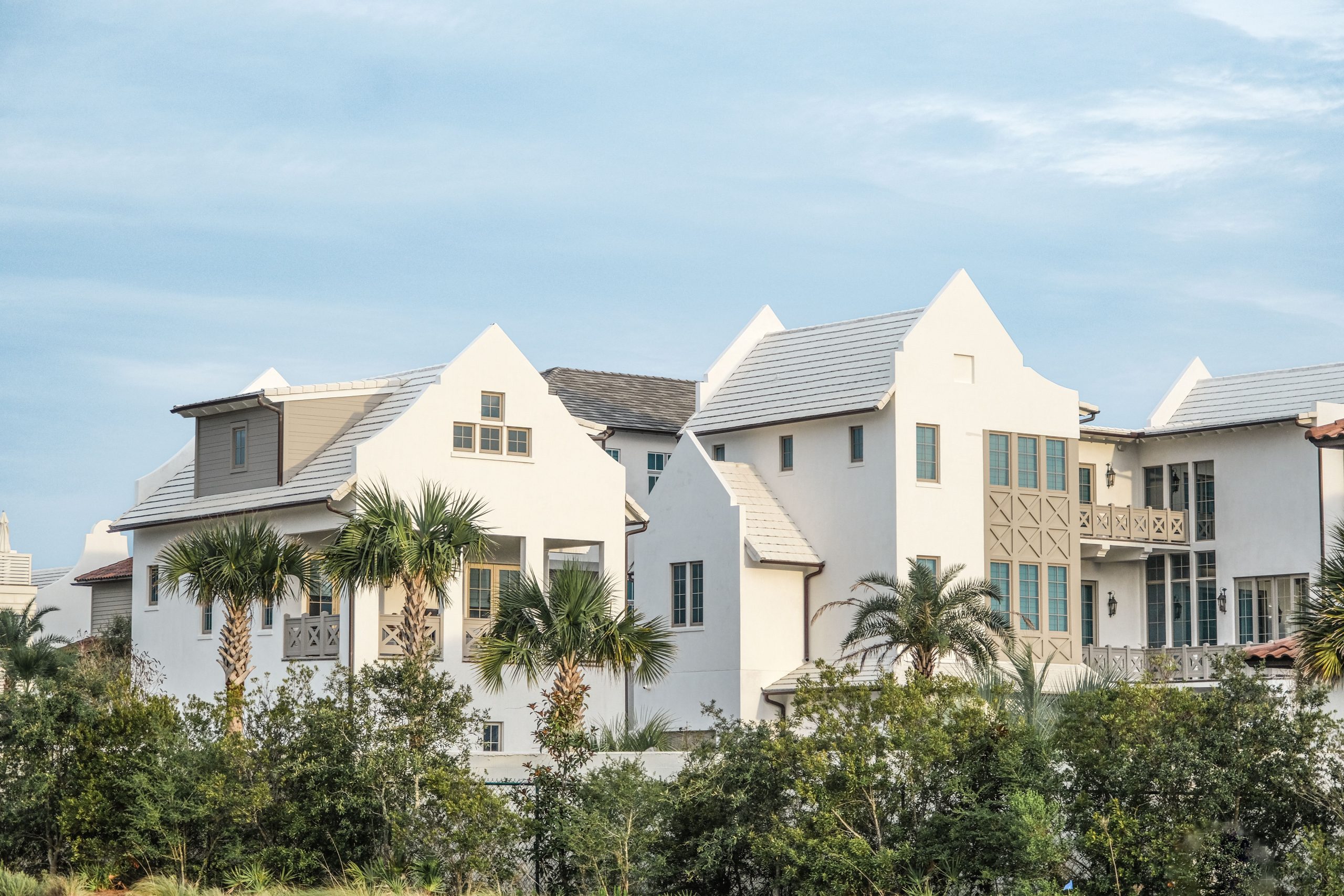
Getting a Florida real estate license requires completing a 63-hour approved pre-licensing course, submitting an application to the Florida Department of Business and Professional Regulation (DBPR), providing electronic fingerprints, and passing the state licensing exam.
You also need to activate your license before legally working as a real estate sales associate.
Florida does not require previous real estate experience or a college degree for most first-time applicants, making the profession accessible to people looking for a career change or an additional source of income.
However, applicants should prepare for several educational requirements, expenses, and deadlines before entering the profession.
Florida Real Estate License Requirements
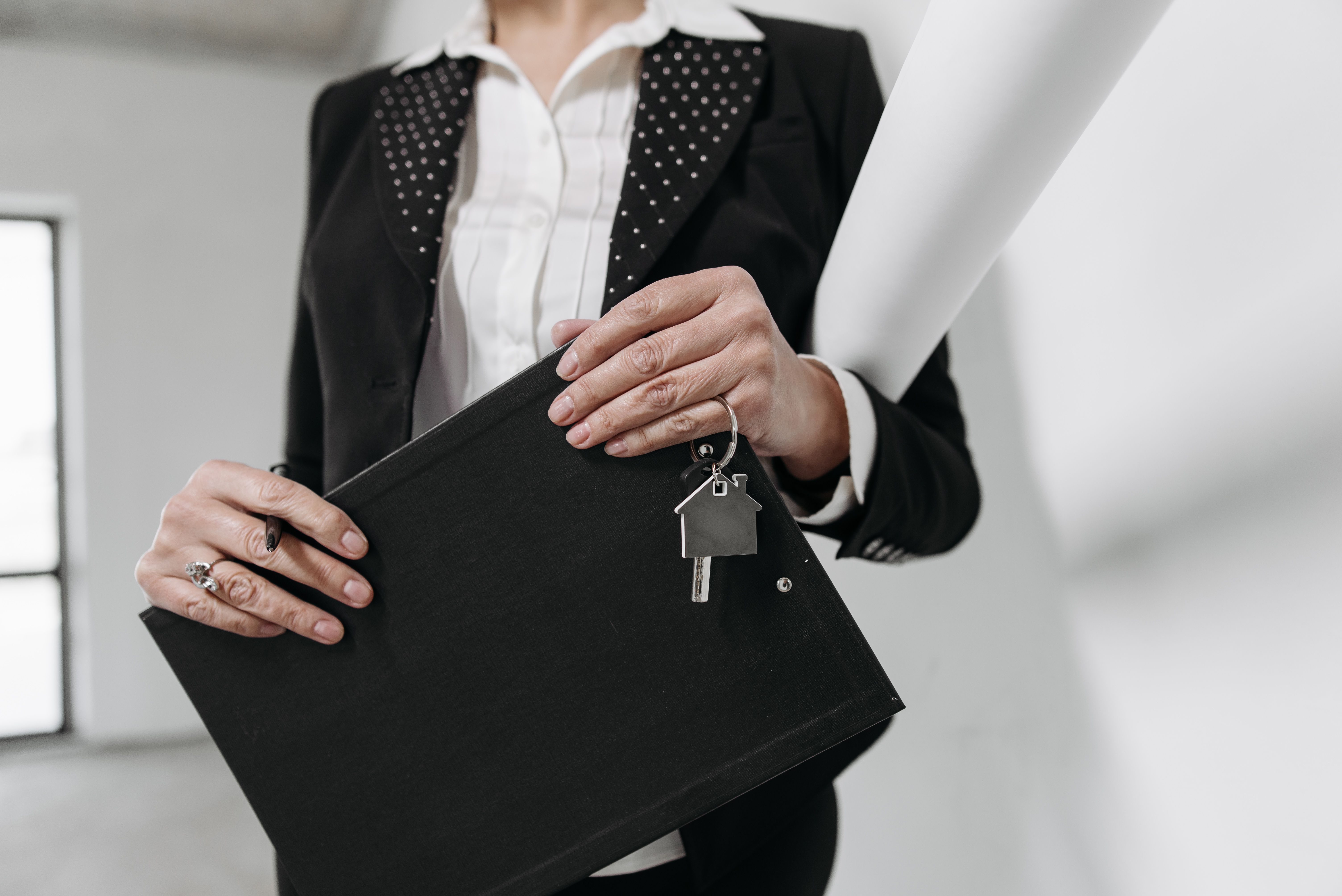
Before enrolling in a real estate school, familiarize yourself with the basic licensing requirements established by the Florida Real Estate Commission (FREC).
Applicants must satisfy the applicable requirements before beginning their professional activities.
How to Get a Florida Real Estate License in 6 Steps
The licensing process involves six main stages, from confirming your eligibility to completing your first license renewal.
Some steps can overlap, allowing applicants to manage their time more efficiently.
1. Check the Basic Requirements First
Florida requires sales associate applicants to be at least 18, have a high school diploma or its equivalent, and have a United States Social Security number to apply.
Previous experience in property sales, customer service, or business is not mandatory. Florida residency is also not a general requirement under the standard licensing route.
If you hold a qualifying real estate degree, are a Florida attorney or already hold a license elsewhere, check the DBPR rules for your situation before buying a course. An exemption or a different application path may apply.
Applicants with previous criminal convictions or professional disciplinary actions may need to provide additional documentation during the application process.
Take the Florida 63-hour pre-license course
Most first-time applicants need to complete a Florida-approved 63-hour sales associate pre-licensing course. This is the education requirement, not the license itself.
You can take an approved online course. Before paying, check the school record and confirm that the course is for Florida sales associate pre-licensing. A general real estate course or an exam-prep question bank is not a substitute.
Casa Academy is one option for this step. The school has a current DBPR school license, ZH1003169, and offers the 63-hour course in English and Spanish. Its listed $199 tuition includes exam prep and a ChatGPT-powered tutor. Application, fingerprinting and state-exam fees are separate.
Finishing the course also means completing its required final exam. Keep your course completion certificate. DBPR says the pre-license course is valid for two years from completion, and you need valid proof to sit for the state exam.
3. Submit the Application and Your Fingerprints
Apply to DBPR using the Sales Associate Initial Application, RE 1. You do not have to wait until the course is finished to submit the application.
Applications are available through the official Florida DBPR licensing portal.
DBPR instructs applicants to submit their application first, followed by electronic fingerprints through an FDLE-registered Livescan provider.
Fingerprinting is part of the mandatory background screening process. Make sure your personal information matches the details provided in your application.
Keep copies of payment receipts, application confirmations, and fingerprint transaction records. Having the necessary documents available can help resolve potential processing delays.
4. Prepare for and Pass the Florida Real Estate Exam
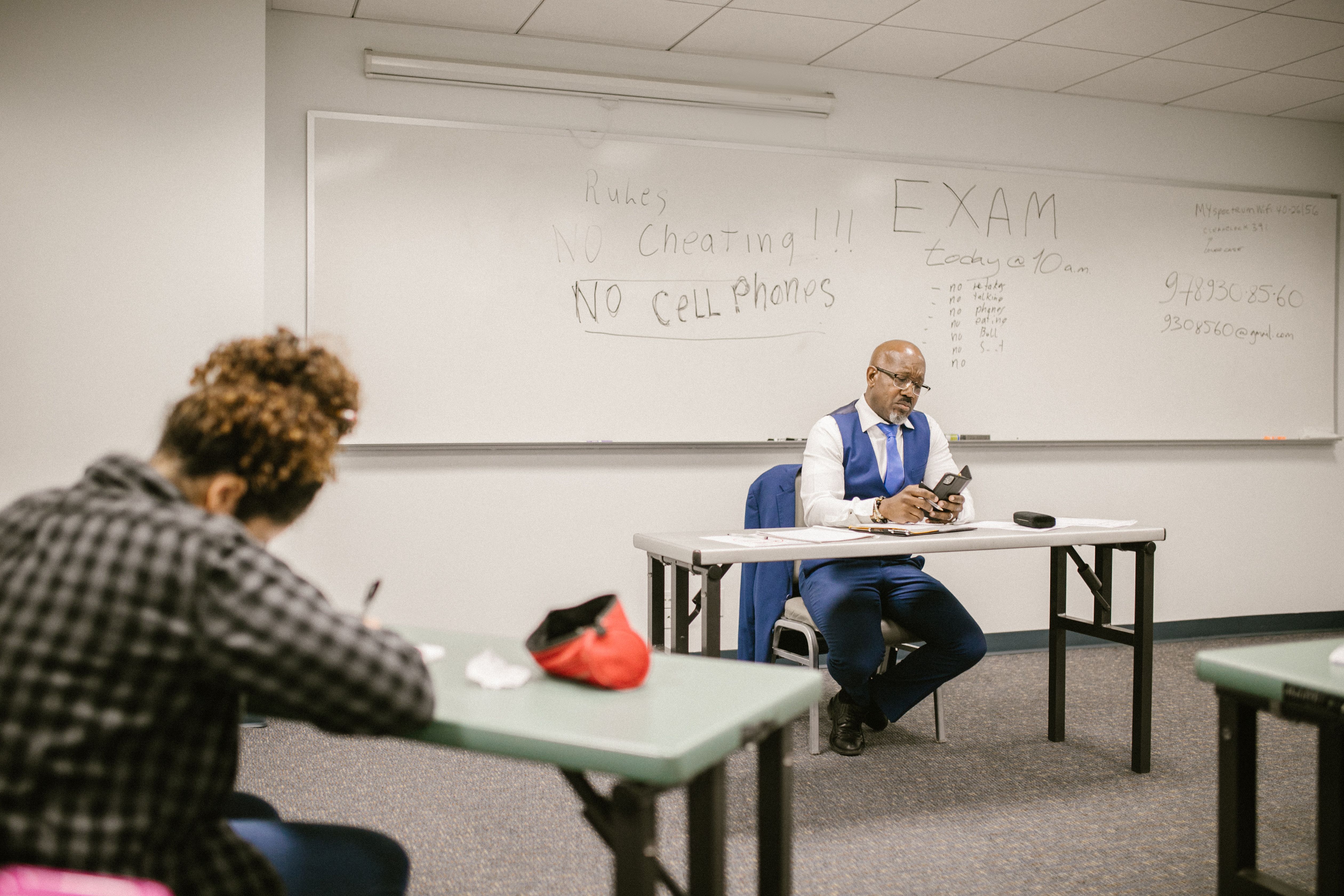
The school final and the state licensing exam are two separate examinations. Passing one does not mean you have passed the other.
Once DBPR approves your application, follow Pearson VUE’s scheduling instructions.
The Florida real estate sales associate exam contains 100 scored multiple-choice questions, has a time limit of three hours and 30 minutes, and requires a passing score of at least 75%.
Important examination topics include:
- Florida real estate laws and regulations.
- Property ownership and legal descriptions.
- Real estate contracts and brokerage procedures.
- Mortgages and property financing.
- Property valuation and appraisal.
- Real estate mathematics.
- Professional responsibilities and disclosures.
Focus on your weakest subjects when studying. Review incorrect practice answers, work through mathematical exercises, and complete timed mock examinations before booking your test. For another overview of what to do before test day, see this guide to preparing for the Florida real estate exam.
If you fail the examination, you can generally arrange another attempt and pay the applicable examination fee.
5. Activate Your License and Choose a Brokerage
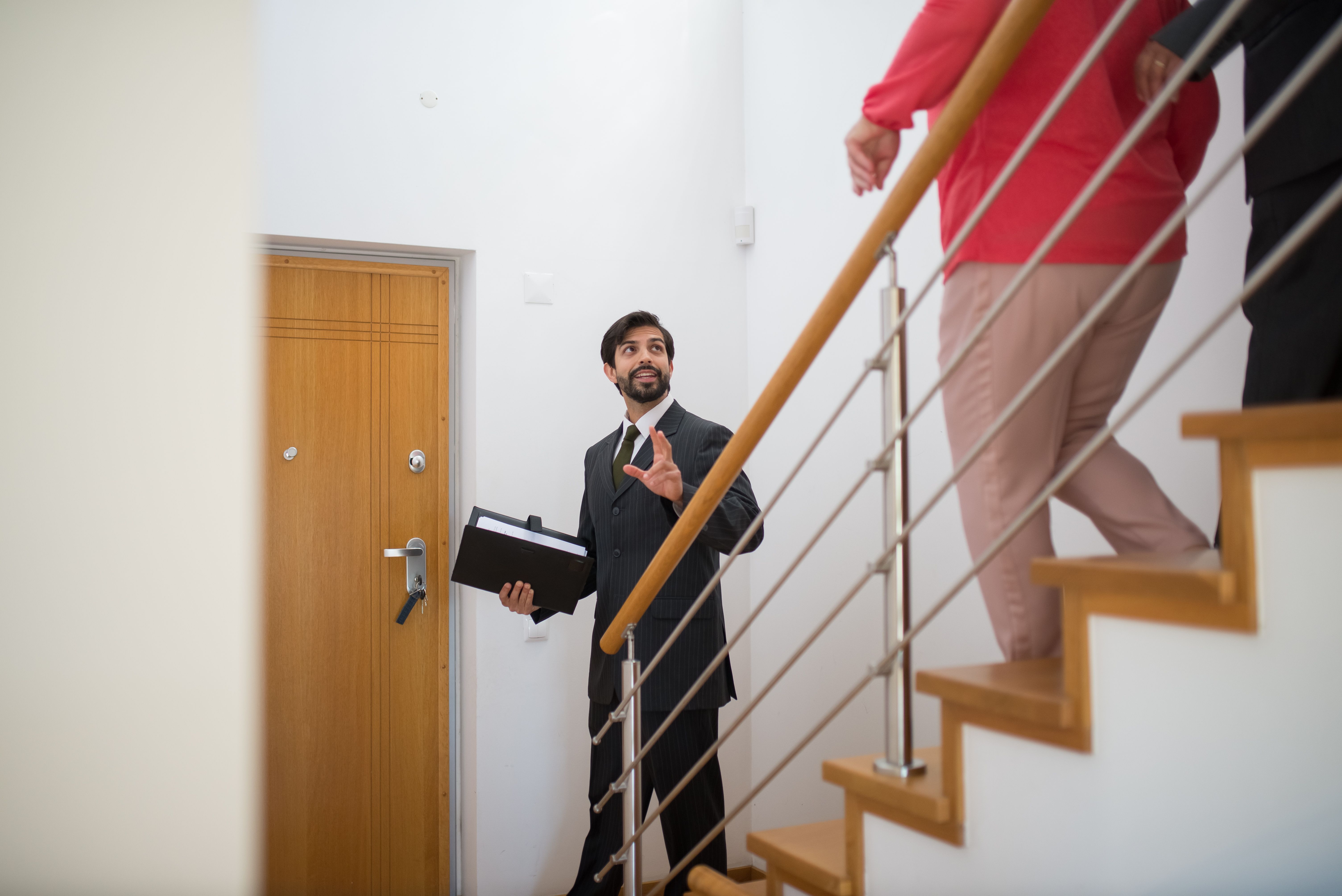
Passing the state exam does not automatically make your license active. A Florida sales associate must work under the direction of a licensed broker or qualifying owner-developer.
Research potential brokerages before completing your examination. Ask about their commission structures, training programs, marketing assistance, and administrative support.
Important factors to consider include:
- Commission splits and transaction fees.
- Monthly brokerage expenses.
- Mentorship opportunities for new agents.
- Access to property listings and professional software.
- Lead generation and marketing support.
A higher commission split does not necessarily make a brokerage more profitable for a beginner. Practical training and experienced supervision can be particularly valuable during your first year.
6. Complete Your First License Renewal
Florida requires most sales associates to complete 45 hours of approved post-licensing education before their initial license expires.
The requirement applies to both active and inactive licenses. Missing the deadline can result in your license becoming null and void.
After the first renewal, sales associates generally need 14 hours of continuing education during each subsequent renewal period:
Check your expiration date through DBPR and complete your coursework well before the renewal deadline.
How Much Does a Florida Real Estate License Cost?
The total cost of getting a Florida real estate license depends on your chosen school, application charges, fingerprinting expenses, and examination fees.
Check current government and examination fees before establishing your budget.
Remember that obtaining a license and starting a real estate career involve different expenses. New agents may also need to pay for transportation, professional photography, association memberships, advertising, and property listing subscriptions.
Having some financial reserves can help cover living and business expenses while you work toward your first successful transaction.
How Long Does It Take to Get a Real Estate License in Florida?
Most applicants should allow approximately four to twelve weeks to obtain a Florida real estate license, although individual timelines vary.
Several stages can overlap. Submitting your application while completing your course may help reduce unnecessary delays.
The estimates are for planning purposes rather than guaranteed processing times.
Is the Florida Real Estate Exam Hard?
The Florida real estate exam can be challenging for applicants unfamiliar with property law, financing, contracts, and mathematical calculations.
Memorizing definitions alone is rarely enough. Candidates must also know how to apply regulations and professional responsibilities to practical situations.
Develop a regular study schedule, practice calculations without relying on notes, and review Florida-specific licensing laws. Timed practice examinations can help identify knowledge gaps and improve confidence before test day.
Frequently Asked Questions
Can You Get a Florida Real Estate License Online?
You can complete approved pre-licensing education and submit your application online. However, fingerprinting and state examination requirements must be completed according to the applicable DBPR and examination provider instructions.
Do You Need a College Degree to Become a Real Estate Agent in Florida?
No. A high school diploma or equivalent is generally sufficient for the standard sales associate licensing route.
Can You Work Part-Time as a Florida Real Estate Agent?
Yes. Part-time agents must satisfy the same licensing, educational, supervision, and renewal requirements as full-time professionals. Individual brokerages may have additional employment or affiliation policies.
Can You Work Independently With a Florida Sales Associate License?
No. Sales associates must operate under an appropriate licensed broker or qualifying owner-developer. Opening an independent real estate brokerage requires a broker license and additional qualifications.
Final Thoughts
Getting a Florida real estate license becomes easier when you approach each requirement separately. Complete your education, submit your application, pass the state exam, and activate your license before working with clients.
Choose a reputable school and a supportive brokerage, prepare a realistic budget, and keep track of renewal deadlines.
Obtaining your license is the first step toward a real estate career. Developing local market knowledge, negotiation skills, and strong professional relationships will help you build a sustainable business over time.