
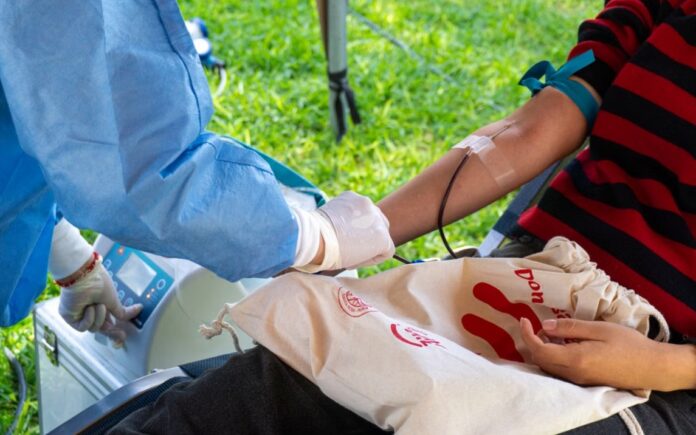
Plasma donation plays a crucial role in the realm of modern medicine. It provides vital support to individuals battling conditions such as hemophilia and immunodeficiencies, often making the difference between life and death.
Personal narratives reveal the profound influence of plasma donation. Many patients have reported significant enhancements in health and quality of life due to plasma-derived therapies.
In addition to the humanitarian aspect, donors frequently receive financial compensation for their contributions, typically ranging from $20 to $50 per donation. This economic benefit complements the altruistic act of helping others.
Consistent plasma donation can lighten financial burdens. Donors often find the compensation helpful for covering daily expenses, making their choice both practical and charitable.
Plasma-derived therapies are indispensable for numerous medical requirements. They include treatments for burn victims and trauma patients, showcasing the variety of ways in which donated plasma can be utilized.
The management of chronic illnesses significantly improves with the help of plasma products, assisting patients in stabilizing their immune responses and enhancing their participation in day-to-day activities.
First-time donors can prepare for a successful experience by adhering to simple tips. Staying hydrated, eating nourishing meals, and dressing in comfortable clothing can enhance the donation process.
Opening up the Life-Saving Potential of Plasma Donation
How Plasma Donation Directly Impacts Patient Health
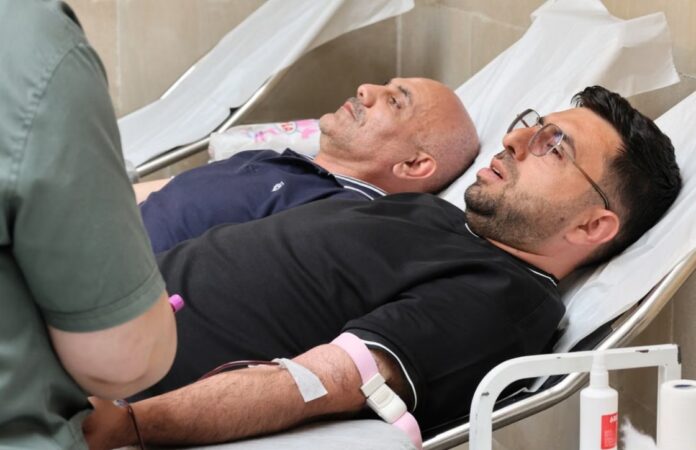
Plasma donation transcends mere altruism; it’s a fundamental part of contemporary healthcare. Plasma is the liquid portion of blood, containing vital proteins that support blood clotting, immunity, and other essential functions. When individuals step forward to donate plasma, they offer a lifeline for patients grappling with various conditions. The direct impact on patient health cannot be emphasized enough. For those receiving treatment for diseases like hemophilia or certain immunodeficiencies, plasma-derived therapies can truly mean the difference between life and death.
Consider this: patients reliant on therapies derived from donated plasma often deal with conditions that severely diminish their quality of life. According to the U.S. Department of Health and Human Services, donated plasma is used to create therapies for people with immune deficiencies, bleeding disorders, neurological conditions, and other serious illnesses. Without access to these critical treatments, many face prolonged health challenges.
Transforming Lives: Real Stories from Plasma Recipients
Nothing encapsulates the essence of plasma donation more than the personal experiences of those who receive its benefits. Take, for instance, Sarah, a recipient who battled a rare immune disorder and needed regular infusions of immunoglobulin therapy derived from plasma. “Every time I got treatment, I felt like I’d received a second chance at life,” she recalls. Such narratives illustrate how individual lives are transformed through the simple yet powerful act of donating plasma.
A compelling testimony comes from James, who had surgery for a liver condition. After losing significant blood volume, he relied on plasma to regain his health. “I was astonished by how quickly I felt the difference. It was an amazing turnaround,” he said. Through these stories, the remarkable influence of plasma becomes clear, highlighting not just the medical benefits but the emotional relief it provides to both recipients and their families.
Financial Rewards: More Than Just a Noble Cause
Understanding the Compensation Structure for Donors
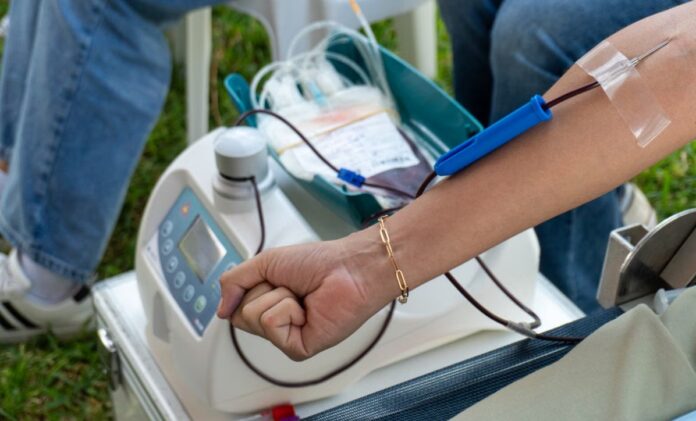
Donating plasma is often perceived as a selfless endeavor aimed at aiding others. That said, the compensation available to donors is an essential aspect that deserves attention. Many plasma donation centers offer financial remuneration for each donation. While the amount can differ, grasping this compensation structure is vital for those considering donation. It transforms the act into not only a charitable contribution but also a source of monetary gain.
- Compensation varies by donation center and location.
- First-time donors might receive bonuses or additional incentives.
- Frequency of donation is important; many centers allow up to two donations each week.
Clarifying these financial components helps prospective donors understand how giving plasma can also yield economic benefits. Interestingly, many individuals discover they can integrate plasma donation into their routine while enjoying a modest yet useful income boost.
How Earning While Giving Can Benefit Your Budget
The concept of donating plasma often evokes thoughts of community service and philanthropic efforts. Yet, the fact that this process can provide practical financial benefits frequently goes unnoticed. Donors can effectively earn additional money while contributing to saving lives. With budgets tight, every dollar holds significance. Regular plasma donation can help individuals mitigate some financial pressures.
Picture being able to donate plasma twice a week; that could result in extra cash for groceries, bills, or even recreational activities. According to FDA guidance for Source Plasma donation, donors should not undergo plasmapheresis more frequently than once within a 48-hour period or more than twice within a seven-day period.
- Establish a donation schedule that aligns with personal availability.
- Use the compensation to enhance savings or manage monthly costs.
- Connect with other donors to foster a community and exchange experiences.
There’s something fulfilling about turning a good deed into a financial gain. Donating plasma not only transforms lives in need but also enriches the experience for the donor.
The Role of Plasma in Advanced Medical Treatments
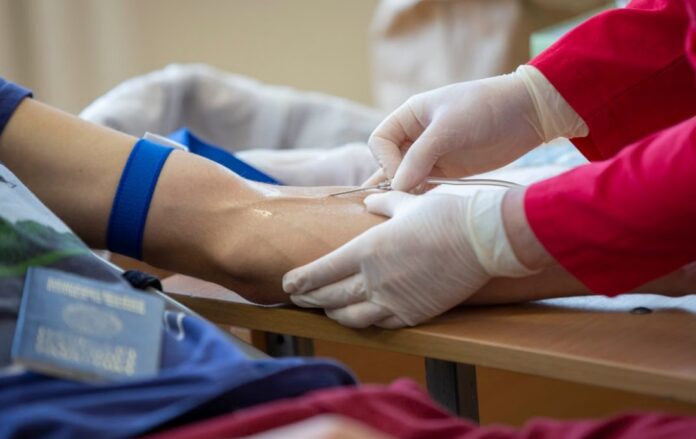
Exploring Plasma-Derived Therapies and Their Applications
Medical professionals view plasma as a key therapeutic component. The range of applications for plasma-derived treatments is remarkable. From binding proteins that assist in healing to immunoglobulin therapy for immune disorders, the opportunities are extensive. The American Red Cross explains that plasma and plasma derivatives are used in the care of trauma and burn patients as well as people with bleeding disorders, immune deficiencies, and other medical conditions.
Furthermore, research into plasma’s potential applications is ongoing. Scientists continuously investigate how to harness its components for treatments that once appeared impossible. One area that is gaining traction involves the development of clotting factors, crucial for those experiencing bleeding disorders. Every plasma donation plays a role in advancing such therapies, helping to bridge the gap between scarcity and abundance.
The Surprising Connection Between Plasma and Chronic Illness Management
Chronic illnesses impact millions worldwide, and plasma products are integral to managing certain conditions. A good number of patients with autoimmune diseases, for instance, depend heavily on plasma-based therapies to keep their symptoms under control. The statistics are quite impressive, with plasma therapy emerging as a frontline treatment for several conditions. Yet, not everyone is fully aware of the life-saving benefits arising from plasma.
Patients managing chronic conditions frequently witness significant enhancements in their quality of life, thanks to plasma. Infusions can stabilize immune responses, allowing individuals to participate more fully in their daily routines. As with any persistent health concern, knowing when to seek medical attention and discussing symptoms with a qualified healthcare professional remains important.
- Educational resources on plasma and its applications can be valuable.
- Network support can aid patients in accessing plasma therapy.
- Research on plasma’s potential is expanding, yielding promising outcomes.
These connections underscore the vital significance of plasma donation in advancing medical care. Donors are not simply giving; they’re becoming integral players in the healing process.
Getting Started: What to Expect as a First-Time Donor
Working through the Donation Process with Confidence
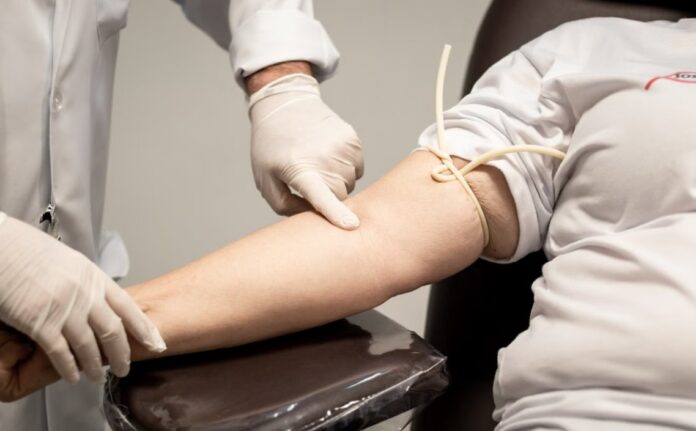
Stepping into the world of plasma donation can seem overwhelming, especially for those new to it. Grasping the donation process helps cultivate confidence. Upon reaching the donation center, donors typically participate in a health screening. This important examination ensures they are fit to donate, confirming the safety of both the donor and the recipient.
The donation process generally includes eligibility screening, plasmapheresis, and a short recovery period. HHS notes that the first plasma donation may take longer than later visits, while donors are monitored throughout the process and advised to rehydrate afterward.
Essential Tips for a Smooth and Successful Donation Experience
First-time donors can significantly benefit from several straightforward tips that can improve their overall experience. Preparing for the donation is key to ensuring everything goes smoothly. Here are some helpful suggestions:
- Stay well-hydrated on the day before and the morning of donating.
- Enjoy a nutritious meal to maintain stable blood sugar levels.
- Wear loose, comfortable clothing for easy access to arms during the donation.
Post-donation, it remains vital to rest and care for oneself. Nourishing the body aids in replenishing energy levels after the donation. The emotional gratification derived from donating plasma stands as a worthy reward, reinforcing the importance of engaging in this transformative process.
Plasma donation carries deep implications for countless lives. Each donor participates in a larger narrative within healthcare. They extend beyond their personal needs, welcoming the opportunity to foster healing. By navigating the donation journey with confidence, individuals not only assist others but also enrich their own lives.