A roulette wheel works in much the same way whether it’s spinning in a casino in Las Vegas or inside a broadcasting studio. The dealer sets the ball in motion, the wheel slows down, and the result is determined by the pocket where the ball lands. The rules haven’t changed, although the experience of following the game certainly has.
Live casino games have introduced a different way of presenting familiar table games. Instead of standing around a physical table, people can watch the action through a computer or smartphone screen. The dealer is real, the equipment is real, and the game takes place in a professional studio equipped with cameras and broadcasting technology.
At first glance, the difference might seem to be little more than the addition of a video stream. There is actually a great deal happening behind the scenes, particularly when it comes to connecting physical tables with digital controls and maintaining the flow of the gameplay.
The table is familiar, but the setting has changed
A roulette wheel brings the familiar look of a casino table to both land-based and live studio games.
Traditional casinos are designed around the physical experience of being there. The roulette tables, blackjack stations and other games share space with restaurants, entertainment areas and the surrounding activity of the casino floor. Dealers interact directly with customers seated at their tables, while the equipment and layout are arranged for people standing or sitting nearby.
A live casino studio has different priorities. Although the tables may look similar, their positioning takes camera angles, lighting and the online audience into account. The option to play live casino games on Betway includes familiar titles such as blackjack, roulette and baccarat, which retain their traditional rules while using video streams and digital interfaces. The dealer works in front of broadcasting equipment, with everything arranged so that the action can be followed clearly through a screen.
There are practical differences for the dealer as well. At a traditional table, communication happens face to face. In a studio, the dealer addresses an audience watching remotely, often using a screen to follow incoming messages or game information.
The basic duties remain familiar, but the working environment has much more in common with a television studio than a conventional casino floor.
How the technology changes the gameplay
Online betting controls connect a player’s selections to the action at a physical roulette table.
A traditional roulette game can operate entirely with physical equipment. The dealer manages the wheel, collects chips and announces the result. In a live casino, the physical action is only one part of the process. Software must connect what happens at the table with the information displayed on each participant’s screen.
Roulette requires a different arrangement. Betting selections are made digitally, but the result comes from the physical wheel. The technology must keep the betting stages, video and recorded outcome coordinated so that everyone receives consistent information.
The differences become easier to appreciate when looking at the variety of games where live dealer tables share the same online casino platform with slots and other computer-generated casino games. Each format uses technology differently, depending on whether the action takes place at a physical table or is produced entirely through software.
This is where live casino games differ from conventional computer-generated casino games. In a digital version of blackjack, the software creates and displays the cards as part of the game. A live version uses real playing cards, with the software handling the interaction between the table and the online audience. Neither format is necessarily more complicated to understand. The distinction lies mainly in how the action is produced and presented.
Mobile gaming has made this an important part of live casino gameplay development. A smartphone offers considerably less room than a computer monitor, yet the same information still needs to be accessible. Camera feeds, betting controls and game results have to fit comfortably within the available space. Much of this work is handled by specialist technology companies that develop and operate the live games. Online casino platforms then make those titles available alongside their wider collections of digital entertainment.
The arrangement allows individual studios to concentrate on game production and software development, while operators manage the platforms through which the games are accessed.
Live casino entertainment has moved beyond the traditional table
A live dealer’s table work is part of a studio production built around real-time play.
One of the more interesting developments in live gaming is the arrival of formats that have little resemblance to a conventional casino table. Television game shows have provided plenty of inspiration. Some live games feature large spinning wheels, professional presenters, colourful studios and special features accompanied by music and animation. The production can look closer to a television broadcast than a traditional game of roulette or blackjack.
These formats have also changed the work involved in producing live casino entertainment. A conventional table game needs appropriate cameras, lighting and equipment, while a studio-based game show may require a specially designed set, additional presenters and more elaborate graphics.
The technology behind the broadcast has to accommodate those differences. Animated features might appear alongside live footage, while the interface displays selections and results as the presenter moves through the game.
There is still a connection to traditional gaming, particularly in the use of physical wheels, cards or other recognisable equipment. The difference is that developers have more freedom to create their own presentation styles rather than follow the appearance of an established casino table.
This has brought a wider range of people into the production process. In addition to dealers and software engineers, live casino studios may employ camera operators, sound technicians, lighting specialists, graphic designers and production managers.
The growth of live games has therefore created an interesting overlap between the gaming and broadcasting industries. The equipment and working methods used in television production have become an important part of delivering interactive online entertainment.
Traditional casinos and live casino platforms now offer two distinct ways of experiencing many of the same games. A physical casino provides the atmosphere of a shared location, while a live broadcast brings the table into a digital environment with its own controls and presentation.
Roulette remains roulette, and the basic rules of blackjack are still recognisable. What’s changed is the amount of technology and production work surrounding those games. From studio cameras to interactive software, live casino entertainment has developed into a format with its own identity, even when the cards and roulette wheels look exactly as they did decades ago.
Flickering lights are more than just an irritating phenomenon; they frequently suggest underlying electrical problems that deserve immediate attention. Homeowners should view consistent flickering as a serious warning sign.
Unexpectedly tripped circuit breakers can indicate overloaded circuits or defective wiring, both of which pose significant safety risks. Ignoring these alerts can lead to hazardous situations. The warning signs of an overloaded circuit include flickering lights, warm outlets, and burning odors.
Severe emergencies like exposed live wires and flooding necessitate immediate contact with an electrician. Delaying action in these cases can result in serious consequences such as electric shock or fire hazards.
Engaging professional emergency electricians guarantees that qualified experts manage electrical problems, focusing on risk reduction and tackling underlying issues rather than just providing temporary solutions. Their specialized tools facilitate effective troubleshooting and repair.
Rapid response times from electricians can avert additional damage during emergencies. Getting immediate help not only resolves current issues but can also prevent worsening problems, ultimately benefiting homeowners in the long run.
Homeowners should prepare for a thorough procedure during emergency calls. It typically begins with an assessment of the situation, followed by clear communication regarding necessary repairs. Transparency helps ease any concerns homeowners may have.
The costs associated with emergency electrician services fluctuate depending on the complexity of the job, the urgency, and the time of day. To avoid unexpected expenses, homeowners should request upfront estimates.
Selecting a licensed electrician is essential for ensuring compliance with safety standards and meeting insurance requirements. Verifying credentials is a critical step to ensure reliable service and adequate protection.
When to Call an Emergency Electrician: Red Flags to Watch For
Signs Your Electrical System Needs Immediate Attention
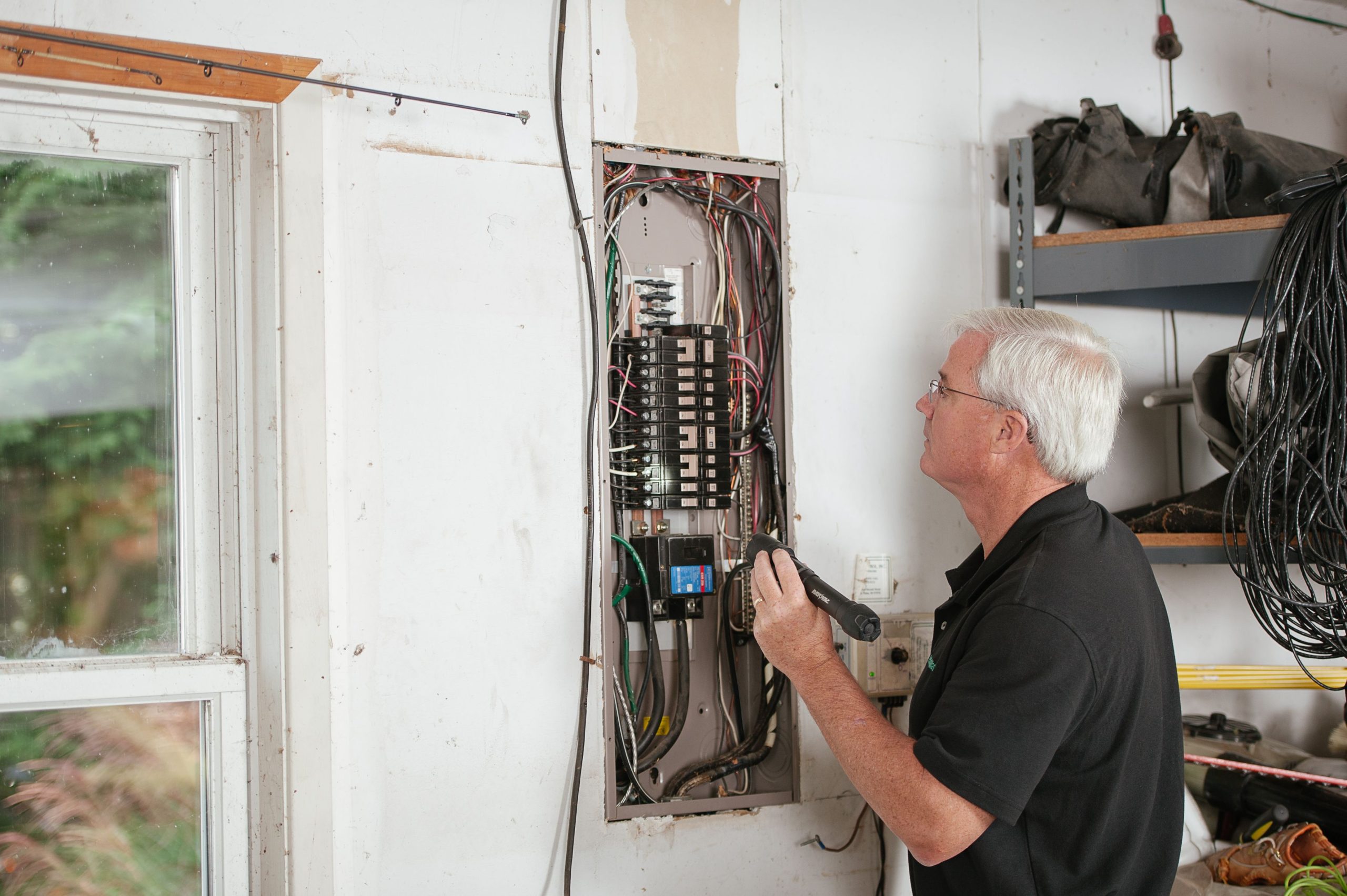
Exposed wiring is a hazard that calls for prompt attention from a qualified electrician.
Every homeowner understands the necessity of a working electrical system, yet subtle indicators often go unnoticed until they become urgent. Flickering lights might seem minor at first, but they often hint at deeper wiring issues. Frequent occurrences are definitely a red flag.
Unexpected circuit breaker trips are another critical warning. This situation might point to an overloaded circuit or faulty wiring, both of which present serious safety concerns. Experts stress the importance of addressing these signs promptly to avert potential disasters.
Strange Smells: Overheating wires or components can emit burning or acrid odors.
Warm Outlets: Outlets that are hot to the touch indicate a serious concern.
Buzzing Sounds: Unusual noises from electrical devices might signal impending failure.
Common Emergencies: What Can’t Wait?
There are instances when waiting is not an option. Exposure to a live wire demands immediate action due to the significant risk of electric shock or fire. When flooding occurs in a house, the situation becomes even more dire, as the combination of water and electricity can be disastrous.
If a power outage is accompanied by unusual smells or sounds, industry professionals suggest contacting an emergency electrician without delay. Equipped with the right tools and expertise, these professionals can quickly diagnose and resolve the issue. What may seem trivial can quickly escalate into critical situations, underscoring the vital need for emergency electrician services.
The Benefits of Professional Emergency Electrical Services
How Expert Technicians Minimize Risks and Damage
A qualified electrician can inspect breaker wiring and address the underlying fault.
Bringing in an expert offers significant advantages. Skilled technicians possess the training and knowledge to not only identify but also repair intricate electrical problems. They focus on addressing underlying issues, ensuring stability for the future. The peace of mind that comes from knowing that a qualified expert has resolved the issue effectively is invaluable.
Moreover, professionals come equipped with advanced tools. These tools are not your everyday items; they are specialized instruments that enhance safety and efficiency, allowing for more precise troubleshooting and repairs. With such expertise, technicians greatly reduce the risks associated with electrical work. This awareness can change how homeowners view their electrical requirements.
Insurance Benefits: Many insurance plans cover electrical repairs done by licensed professionals.
Long-Term Solutions: Experts work to provide permanent fixes rather than temporary solutions.
What Homeowners Gain from Quick Response Times
Time is crucial during emergencies. Rapid response not only addresses immediate concerns but can also prevent further damage. Technicians arrive prepared to confront the situation directly. This ability to mitigate escalating issues brings invaluable peace of mind.
In electrical emergencies, every moment is critical. Quick actions from a qualified electrician can mean the difference between a minor issue and a major disaster. Professionals urge homeowners to build a relationship with a trusted electrician; doing so serves as a significant safety net during crises.
“In electrical emergencies, a swift response can save lives – and protect property.” – Industry Expert
What to Expect During an Emergency Electrical Call
Source:magnific.com
The Step-by-Step Process of Emergency Services
Understanding the emergency process can help set realistic expectations and reduce anxiety. Usually, a homeowner will first describe the situation during the initial phone call. Technicians will ask targeted questions to assess the issue’s severity, ensuring they arrive with appropriate equipment in hand.
A technician will show up promptly, ready to evaluate and diagnose the problem. The process begins with a thorough inspection of the electrical system. After identifying the problem, they will communicate how repairs will proceed. Clear communication at this stage is essential, as homeowners have the right to know what the repairs entail.
Initial Assessment: The technician reviews the situation based on the homeowner’s description.
Diagnosis: Following inspection, they identify the issue and discuss possible solutions.
Repair: Addressing the identified issues begins without delay.
Understanding Cost Factors: What Are Homeowners Paying For?
The question of costs is common among homeowners seeking emergency electrician services. Various factors influence these prices. The complexity of the job, urgency, and even the time of day can significantly affect costs. Emergency services conducted after hours often carry higher fees. Nonetheless, the stakes involved justify these expenses.
Additionally, the technician’s skill level, equipment utilized, and potential emergency parts required can further impact pricing. Homeowners are encouraged to ask for upfront estimates to avoid unexpected costs later on. Gaining clarity on these variables empowers homeowners to make more informed choices when emergencies arise.
Choosing the Right Emergency Electrician: Key Considerations
Expert Qualifications: Why Licensing Matters
Check that the electrician you hire is qualified to safely service your home’s electrical panel.
Selecting the right professional is of paramount importance. Licensed electricians have undergone extensive training and comply with safety standards mandated by regulatory authorities. Searching for licensed technicians is not just wise; it’s essential. Paying unlicensed professionals can lead to risks, potentially increasing expenses over time. Guidance on why electrical work should be left to professional electricians reinforces the importance of hiring a qualified expert.
Moreover, many insurance policies stipulate that work must be conducted by licensed personnel. This shouldn’t be overlooked-it’s a key element for securing protection against liability. Homeowners ought to feel empowered to inquire about credentials. Trust is fundamentally rooted in verified qualifications.
Check for Licenses: Confirm the electrician holds valid licenses pertinent to the region.
Experience Matters: Opt for professionals with a solid track record in emergency services.
Insurance Coverage: Ensure the technician possesses liability and worker’s compensation insurance.
Customer Reviews and Recommendations: Getting Honest Insights
In the realm of emergency services, word of mouth remains incredibly valuable. Reviews and testimonials shed light on a technician’s reputation. Homeowners should actively seek feedback from previous clients, as it provides a glimpse of reliability and service quality. Online reviews can assist in assessing overall customer satisfaction.
Engaging the community often results in helpful information. Seeking recommendations from friends, family, or neighbors can lead to dependable contacts. Individuals who have navigated urgent situations can offer valuable insights, directing others toward trustworthy professionals.
“A five-minute conversation with a neighbor can save hours of search time.” – Electrical Service Consultant
Making informed choices when selecting an emergency electrician can significantly alleviate stress. Awareness of qualifications and customer feedback can guide these decisions. Taking a proactive stance is the best way forward. Knowledge empowers homeowners to act decisively when emergencies occur.
FAQ
What types of emergencies require immediate electrical assistance?
Situations involving exposed live wires, flooding, or other electrical hazards call for urgent attention. Additionally, odd smells, warm outlets, and unexplained buzzing sounds could indicate serious problems that require prompt action to prevent catastrophic outcomes.
How can homeowners find a reliable emergency electrician in their area?
Homeowners can begin by researching online reviews or soliciting recommendations from friends and family. It’s crucial to verify the electrician’s credentials and confirm they are licensed and insured before making a selection.
What tools do professional electricians use in emergencies?
Electricians rely on specialized equipment such as voltage testers, thermal cameras, and circuit analyzers to identify and address electrical issues effectively. These tools not only enhance safety but also ensure thorough and lasting solutions instead of mere quick fixes.
Are emergency electrician services covered by insurance?
Many homeowners discover that their insurance policies will cover emergency work performed by licensed electricians. It’s wise to review specific policy details so homeowners can grasp what is included, as this could offer financial relief when urgent situations arise.
How long can homeowners expect an emergency call to take from start to finish?
The length of an emergency call can vary significantly based on the complexity of the issue at hand. However, electricians generally aim to assess and resolve the problem as swiftly as possible, often completing jobs within just a few hours, particularly when timely intervention is critical.
What preventative measures can be taken to reduce the likelihood of electrical emergencies?
Conducting regular inspections of electrical systems, keeping up with routine maintenance, and addressing minor issues promptly can help prevent emergencies. Homeowners should also be cautious not to overload circuits and ensure that all installations meet safety standards.
How can homeowners prepare for an electrical emergency before it happens?
Crafting an emergency plan is essential, which should include key contacts for electricians and an understanding of the home’s electrical system. Becoming familiar with breaker locations and safe methods for shutting off power can be advantageous when a crisis strikes.
What should homeowners do while waiting for an electrician to arrive?
Prioritizing safety is vital. Homeowners should refrain from using affected appliances, steer clear of dangerous areas, and, if necessary, turn off power at the main breaker. Staying in touch with the electrician regarding any ongoing developments can offer reassurance and aid a swift resolution.
Testosterone Replacement Therapy (TRT) notably boosts physical performance, enhancing muscle mass and stamina, which often reignites a commitment to fitness regimens.
Maintaining optimal testosterone levels not only supports physical health but also improves mental clarity, focus, and emotional wellness, reducing anxiety while enhancing cognitive abilities.
TRT is essential for effective weight management, enabling clients to reduce body fat and increase lean muscle mass, which contributes to a higher metabolism.
The initial consultation for TRT entails a comprehensive health assessment and lifestyle review, ensuring that treatment plans are personalized to meet individual needs.
Regular blood tests are key in the TRT process; they help monitor hormonal health, adjust dosages, and adapt treatments based on individual responses to therapy.
Telemedicine has revolutionized access to TRT services, providing convenience and fostering greater patient engagement via virtual consultations.
Success stories from TRT showcase its transformative effects, illustrating marked improvements in both physical vitality and mental clarity after treatment.
Discover the Life-Changing Benefits of Testosterone Replacement Therapy
How TRT Enhances Physical Performance and Vitality
Strength training can complement a broader, clinician-guided wellness plan.
Testosterone Replacement Therapy (TRT) isn’t just a passing trend; it’s a powerful intervention that significantly enhances physical abilities. After initiating TRT, many individuals report a remarkable resurgence in stamina and strength. Among the most desirable benefits is improved muscle mass. With testosterone levels restored, clients frequently discover they can lift weights they once found challenging. This newfound energy often leads to a deeper commitment to fitness.
Additionally, cardiovascular health typically receives a boost. Research links optimal testosterone levels to enhanced circulation and heart health, resulting in improved endurance during various physical activities. Whether one enjoys casual workouts or competitive sports, many feel revitalized and more capable than ever before.
However, it’s important to note that TRT works best alongside lifestyle changes like improved nutrition and exercise routines. This combination fosters a powerful synergy that promotes lasting physical vitality.
Transform Your Mental Clarity with Hormonal Balance
TRT’s influence extends beyond physical enhancements; it also significantly impacts mental clarity. As testosterone levels stabilize, clients often experience substantial gains in focus and cognitive functioning. Professionals have reported enhanced productivity in their daily tasks, from workplace responsibilities to personal projects. A common misconception is that testosterone primarily affects physical attributes; yet, mental acuity is equally important.
Many clients share that they experience reduced brain fog. Tasks like recalling information and solving complex problems become easier, often infused with newfound confidence. Emotional wellness tends to improve as well. Clients frequently report feeling more stable in their mood, with reduced anxiety as hormonal balance returns. Indeed, achieving a well-balanced hormonal profile can elevate every aspect of life.
Is enhanced mental clarity a strong reason to explore TRT? Definitely. Clients are unlocking potential they never realized existed, resulting in enriching experiences both personally and professionally.
Uncover the Connection Between TRT and Weight Management
For many, weight management is an ongoing challenge, and testosterone significantly influences this aspect. Numerous studies show that lower testosterone levels correlate with increased body fat and decreased muscle mass. Conversely, those who engage in TRT often report substantial changes in their body composition.
Typically, clients see a reduction in body fat along with an increase in lean muscle mass. These changes go beyond aesthetics; they profoundly impact metabolism. Higher muscle mass translates to a more effective calorie-burning capacity. As testosterone levels normalize, many clients find they can shed excess weight without making drastic dietary changes.
The TRT Process: What to Expect During Your Journey
A Step-By-Step Guide to Your Initial Consultation
Entering the world of TRT may feel daunting, but understanding the initial consultation process can clarify things significantly. Clients can expect an in-depth assessment when they first arrive, beginning with a comprehensive health history interview to discuss symptoms and any prior treatments.
Following this, a healthcare professional will conduct a focused evaluation. This includes examining lifestyle factors such as diet and exercise habits. With this data in hand, providers can better customize therapies. Education is another key component; clients should leave the consultation informed about their hormone health and TRT’s potential benefits.
Afterward, a personalized plan typically emerges. This may involve specific testing recommendations and tailored approaches designed specifically for the individual’s needs.
Key Tests That Determine Your Hormonal Health
A thorough evaluation combines health history, clinical measures, and appropriate lab testing.
During the TRT process, one crucial aspect involves assessing hormonal health through various tests. Blood tests are essential for measuring testosterone levels along with other hormones related to libido. Not only do these tests establish baseline levels, but they also ensure any prescribed treatments are optimized accordingly.
Results from these tests can provide significant insights. For example, irregularities might reveal underlying health issues, steering both treatment and necessary lifestyle changes.
Clients shouldn’t see these tests as intimidating. Instead, they serve to empower individuals by providing clarity on their hormonal profiles, facilitating deeper involvement in their health journeys.
How Telemedicine Simplifies Access to Care
Providers in TRT Tampa increasingly embrace telemedicine, reshaping how clients access care. This approach simplifies the process, allowing individuals to start their wellness journeys from the comfort of their homes. There’s no longer a need to step outside for expert guidance.
Virtual appointments encourage open discussions. Clients can freely ask questions and describe symptoms without the pressure associated with traditional office visits. It’s interesting to note that many professionals observe improved patient engagement through telemedicine. Clients often feel more comfortable sharing their concerns, leading to richer consultations.
Treatment adherence also tends to rise. Practitioners can assess progress regularly, sidestepping the logistical challenges of scheduling in-person visits. This increased accessibility ensures clients stay on track toward achieving optimal health.
Personalized Approaches: Tailoring TRT to Individual Needs
Why Hormone Optimization is Not One-Size-Fits-All
Clients often discover that each individual’s TRT journey is distinctly unique. Every body reacts to treatment differently. It’s essential to understand that hormonal optimization is uniquely tailored. Factors such as age, health conditions, and lifestyle all play significant roles in determining outcomes.
This variability highlights the necessity for personalized treatment plans. A one-size-fits-all method isn’t applicable here. Tailoring dosages and selecting the appropriate administration method-whether injections, pellets, or creams-requires careful consideration.
The results can greatly differ based on these individual approaches. Reaching optimal health isn’t merely about filling prescriptions; it’s about understanding what best fits each unique profile, paving the way for success.
Adjusting Dosage: Finding the Perfect Balance for You
Identifying the ideal testosterone dosage can often be a complex process. Experimentation with dosage is common, especially in the early stages of treatment. Experts frequently evaluate how clients react to initial prescriptions and make necessary adjustments. This part of the journey is crucial – perfection on the first attempt is rarely attainable.
Monitoring with follow-up blood tests ensures that testosterone levels remain within ideal ranges. Clients should feel encouraged to discuss their experiences; their feedback can reveal nuances that numbers alone may overlook. Adjustments are expected as individuals adapt to new hormone levels.
The notion that achieving equilibrium is straightforward is a misconception. It often takes time, and patience is key. The ultimate goal is to arrive at a dosage that feels right while minimizing side effects, thereby maximizing benefits for the client.
Monitoring Progress: Understanding Your Road to Recovery
Monitoring progress throughout TRT is essential. Regular follow-ups present opportunities for assessment and adjustment, keeping clients on the right path. Monitoring involves more than just testing hormone levels-it also encompasses overall well-being. Clients should take the initiative to communicate their feelings and any side effects encountered.
This continuous dialogue is critical for aligning therapies with individual needs. Success can appear in various forms: enhanced mood, increased energy, and effective weight management. Each of these achievements should be acknowledged-recognizing even small victories can spark motivation for ongoing progress.
Ultimately, the focus should be on more than just blood test numbers; it’s about reclaiming vitality. Clients should feel empowered to engage openly and take active roles in their health journeys.
Real Success Stories: TRT Transformations that Inspire
Case Studies: Patients Who Have Successfully Transformed Their Lives
Consistent movement and daily activity can be part of a sustainable wellness routine.
Compelling success stories surrounding TRT abound. As clients share their journeys, familiar patterns emerge, revealing life-altering experiences that may inspire potential candidates. Many recount struggling with fatigue and brain fog before starting therapy.
After undergoing treatment, their testimonials reflect significant improvements in both physical and mental wellness. Picture stepping out of a fog into a vibrant life once thought lost forever. This transformation is what many clients report, celebrating renewed energy and motivation.
Case A: A 45-year-old man shares he regained the strength he had in his twenties.
Case B: A female client explains how her anxiety lessened considerably.
Case C: A 52-year-old discovered that he could finally lose stubborn weight.
These stories illustrate the profound impact TRT can have. It changes lives in numerous, meaningful ways.
Expert Insights: What Professionals Have Learned from TRT
In the dynamic field of hormone therapy, providers continually refine their perspectives based on real-world experiences. Insights from these experts illuminate common themes that emerge from successful treatments. They stress the need for individualized approaches tailored to each client’s specific life stage.
Adaptability is a common theme among practitioners. As clients evolve, so do their needs. Professionals acknowledge that ongoing education and training are vital not just for themselves but for their clients, too. Staying informed about current research and updating treatment protocols keeps practices at the forefront of effective TRT.
“Testosterone therapy is more than just a medical treatment; it’s about restoring quality of life.” – Hormone Therapy Expert
This perspective reinforces TRT as a lifeline, not merely a solution, fostering a deeper rapport between providers and clients. A shared journey built on trust promotes success and satisfaction.
The Future of Hormone Therapy: Trends and Innovations
What’s ahead for hormone therapy? This field is continuously evolving, integrating new technologies and adapting to patient preferences. One significant trend includes using data analytics to predict treatment outcomes through historical data and individual profiles.
Moreover, genetic testing might become more standard, paving the way for hyper-personalized treatment plans. With each breakthrough, clients can anticipate enhanced outcomes based on a detailed understanding of their unique requirements.
Experts hold a positive outlook on how innovations will further refine TRT protocols and elevate results. As these advancements unfold, clients will gain better access to the essential tools needed for reaching their health objectives.
The realm of hormonal optimization is rapidly advancing, and TRT Tampa represents a pivotal point in this landscape of growth.
FAQ
What types of hormone therapies are available besides TRT?
There are several hormone therapies available, including human growth hormone (HGH) therapy, estrogen therapy for women, and thyroid hormone replacement. Each is designed to meet specific needs and is tailored to address individual health concerns, ensuring a holistic approach to hormonal balance.
How does lifestyle impact the effectiveness of TRT?
Lifestyle factors such as diet, exercise, and sleep patterns significantly affect TRT’s success. Clients actively engaging in healthy habits often notice quicker improvements in both physical and mental well-being, enhancing the overall effectiveness of the treatment.
Are there specific activities recommended while undergoing TRT?
Clients are strongly encouraged to partake in regular cardiovascular and strength-training exercises during TRT. These activities optimize the therapy’s benefits, promoting muscle growth, endurance, and overall well-being while aiding weight management efforts.
What signs might indicate that dosage adjustments are needed?
Indicators like fatigue, mood swings, or unexpected weight changes could signal a need for dosage adjustments. Ongoing communication with healthcare providers is crucial to allow timely modifications that ensure optimal hormonal balance.
How can clients effectively track their progress during TRT?
Maintaining a journal can help clients document their feelings, energy levels, and any noticeable changes in body composition. Regular check-ins with healthcare providers to discuss blood test results and personal progress are vital for staying aligned with treatment goals.
What role does genetics play in hormone therapy outcomes?
Genetic factors can greatly affect individual responses to hormone therapy. Personalized treatment plans that consider genetic elements may yield improved outcomes, ensuring that clients receive customized care that aligns with their unique biological needs.
How often should blood tests be conducted during TRT?
Typically, blood tests are recommended every three to six months during the initial stages of TRT, depending on how individuals respond. Once stabilized, testing may shift to once a year, though regular evaluations are essential for maintaining optimal hormone levels.
What future advancements are anticipated in hormone therapy?
Forthcoming advancements may include more personalized approaches, such as genetic testing to better inform treatment plans. There’s also anticipated growth in telemedicine and data analytics, which could improve accessibility and enhance treatment outcomes through precise monitoring.
A winter vacation outside Europe can mean three completely different things: a snowbound village in Japan, a desert in Morocco that freezes after sunset, or a Caribbean beach in Mexico where the water is still warm in January. The five countries here cover that range. They are not ranked, because the right pick depends on which winter you actually want.
My argument is simple: the country matters less than the two weeks you choose. Winter is high season in all five, and the difference between a good trip and an expensive, crowded one is usually timing. “Warm” and “reliable” are not synonyms either. Costa Rica’s Caribbean coast does not share the Pacific’s dry season, and Mexico’s Caribbean beaches get winter winds that can cancel a pool day.
Five countries, two completely different winters
Here is the comparison most winter guides bury under a paragraph of scene-setting. The interesting row is Japan: it is the only one where winter is the product, not the thing you are escaping.
Country
What winter feels like
Best window
The catch
Japan (Hokkaido and Shirakawa)
Real snow. Sapporo’s January mean is -3.2°C, with average highs near 0°C.
Late January to mid-February for snow; Sapporo festival February 4–11, 2027; Shirakawa light-up January 11, 17, 24 and 31.
Cold logistics and reservation-only entry at Shirakawa-go.
Morocco
Mild, sunny days and cold nights. Marrakech averages 19°C by day and 6°C at night in January.
December to February for touring; December to March for Atlas skiing, snow permitting.
You need layers for two seasons in one day; desert nights can approach freezing.
Egypt
Mild and sunny, around 20°C by day and 15°C at night; Aswan is warmer.
November to early December, or late January to February.
Winter is peak season; Christmas and New Year are crowded and expensive.
Mexico
Mean annual temperature of 26°C on the Caribbean coast; January is coolest but still averages above 22°C. Winter “nortes” can bring wind and rain.
December to April; February to March for gray whales; November to March for monarchs.
Holiday crowds and resort prices; weather varies by coast.
Costa Rica
Warm and dry on the Pacific from mid-December to late April; the Caribbean side is wetter.
Mid-December to April; late April for fewer crowds.
High-season prices and lodges that fill early.
Sources: Japan Meteorological Agency 1991–2020 normals; Mexico’s CONANP climate page for Tulum; 1991–2020 station normals for Marrakech and Errachidia; Visit Costa Rica; Experience Egypt; UNESCO. Figures and dates checked October 2026.
Notice what the table does not say: none of these places is a guaranteed 30°C. If that is the only outcome you will accept, book the Caribbean in March, not January, and expect to pay for it.
Japan: the winter trip that isn’t an escape
Japan is the contrarian pick. Sapporo’s January mean is -3.2°C, with an average high of -0.4°C and an average low of -6.4°C, according to the Japan Meteorological Agency’s 1991–2020 normals. That is not a typo. You are not going for a tan.
What you get instead is snow at a scale that makes the cold worth it. Niseko averages about 14 metres a season; JNTO puts Hokkaido’s snowiest areas above 15 metres, with some near 18. The lifts usually run from late November into early May, with the heaviest snow from late December to mid-February.
The festival calendar is unusually specific, which makes planning easy. The Sapporo Snow Festival runs February 4–11, 2027, with snow sculptures along 1.5 km of Odori Park, lit until 10pm; the city says it draws more than two million visitors. The UNESCO-listed village of Shirakawa-go is even more restricted: four nights only-January 11, 17, 24 and 31, 2027-from 5:30 to 7:30pm. The official 2027 schedule makes clear that entry is by advance reservation, drones are banned, and visitors without a booking will be turned away. “Visitors without a reservation will not be admitted,” the tourist association’s notice says.
There is a climate story in that schedule, too. In 2026 the village office cited warming-related snow shortage, along with sunset times, when it limited the event to four nights. A place built on reliable snow is hedging.
Shirakawa-go’s gassho-style village in winter. The 2027 light-up runs four nights, by reservation only.
My take: Japan is the best choice on this list if you want winter itself, not an escape from it. The trade-off is logistics. You will be booking timed entries and checking snow forecasts, and you will need proper layers. If that sounds like work, it is. It is also the only trip here you will still be talking about in ten years.
Morocco: 20°C at lunch, below freezing by midnight
Morocco is the opposite trick. It looks like a warm-weather destination and behaves like a two-season one. Marrakech averages 19°C by day in January and 6°C at night. By lunch you are in a T-shirt; by dinner you want a jacket and a riad with a fireplace.
The desert is colder than the postcard suggests. Merzouga, the gateway to the Erg Chebbi dunes, averages about 19°C by day in January and 6°C at night; the nearest long-record station, Errachidia, averages 2°C at night. Exposed dunes can dip below freezing. A camel trek at dawn is beautiful and genuinely cold. Pack a warm layer, not just a scarf.
The Erg Chebbi dunes are sunny by day and close to freezing after dark in January.
The surprise is the Atlas. Oukaïmeden, about 74 km from Marrakech, sits between roughly 2,600 and 3,200 metres and runs a ski season from December to March when snow allows. It is one of Africa’s highest ski areas, with a chairlift and a handful of drag lifts. Snow is increasingly unreliable, so treat skiing as a bonus rather than a guarantee. But the combination-ski in the morning, tagine in Marrakech that evening-is real.
My read: Morocco is the best value-and-culture mix on the list, provided you pack for two seasons in one day. The classic mistake is packing for the photograph.
Egypt: the best winter culture trip, full stop
Egypt is the one I would choose if the goal is a winter trip that teaches you something. Egypt’s tourism authority puts winter days around 20°C, with nights near 15°C; Aswan is warmer, roughly 22–32°C from November to March. That is comfortable for temples, tombs and long walks in a way that June is not.
Cairo’s calculus changed in November 2025, when the Grand Egyptian Museum opened to the public with nearly 50,000 artifacts, including the Tutankhamun collection. It is promoted as the world’s largest museum devoted to a single civilization, and it sits next to the pyramids. Give Cairo an extra day. The old advice-two nights, see the pyramids, leave-now shortchanges the city.
Giza in winter: mild days, long shadows, and far more comfortable walking than in summer.
Then there is the Nile. Egypt’s tourism authority puts the best cruise window at October to May, and the standard Luxor–Aswan run takes four to five days. The big ships are floating hotels with pools and evening entertainment; they are efficient and a little impersonal. If you want the river to feel like the point of the trip, a smaller boat is better. A Dahabiya Nile Cruise, for example, uses an eight-suite boat and runs three- and four-night itineraries between Luxor and Aswan, which means fewer people at the sites and more time watching the banks go by. That is the version I would book.
Timing matters more here than anywhere else on the list. Christmas and New Year are the peak of the peak: the weather is at its mildest, the sites are busiest, and the prices reflect it. November and early December are the sweet spot; late January and February are still good, with often slightly thinner crowds after the holiday rush.
Mexico: the winter beach with a second act
Mexico is the most versatile pick, and the easiest to get wrong. Tulum’s dry season runs December to April, and the mean annual temperature is 26°C. January is the coolest month, but the monthly average still sits above 22°C. That sounds like a guarantee. It is not.
Winter brings “nortes”-north winds that can reach 80–90 km/h, drop the temperature, and bring rain and heavy surf to the Caribbean coast. A week in Tulum can be perfect, or it can be windy and grey for two days. The Yucatán also gives you cenotes, Mayan ruins, and colonial cities such as Valladolid and Mérida, so a bad beach day does not have to be a lost day.
Tulum’s ruins and beach are a reliable winter draw-but winter nortes can turn the sea rough.
If you want a second act, Mexico has two of the best wildlife spectacles in the hemisphere. UNESCO’s Monarch Butterfly Biosphere Reserve is open to visitors from November to March; the listing describes up to a billion butterflies returning to 14 overwintering colonies, with the colonies usually best defined in the second half of December. On the Pacific side, gray whales arrive in Baja from December, with the peak usually February to March; the round trip from the Arctic is about 19,000 km.
My take: Mexico is the best all-rounder for a family or a couple who want beach, culture and wildlife without a punishing flight schedule. I would not book the Riviera Maya between Christmas and New Year unless the beach is the entire point. Early December and late April are better value and easier.
Costa Rica: pick a coast, not a country
Costa Rica is where the phrase “winter sun” gets slippery. The dry season runs from mid-December to late April, but that is mainly a Pacific-coast statement. The Caribbean side has a longer rainy period, so “Costa Rica in winter” is not one forecast. Pick a coast before you pick a hotel.
The country earns its reputation. It holds about 5% of the world’s known biodiversity and protects 26% of its land, according to Visit Costa Rica’s fact sheet. Humpbacks are around from December to April on the Pacific side, and from July to November on the southern route. A sloth in a roadside tree is not a zoo exhibit; it is Tuesday.
Costa Rica packs roughly 5% of the world’s known biodiversity into a country smaller than West Virginia.
The trade-off is cost. Costa Rica’s own tourism board notes that hotels are more expensive in the December–March high season, and the popular parks and lodges fill early. If your budget is fixed, late April is the better bet: the dry season is still doing its thing, the crowds have thinned, and the prices soften.
My read: Costa Rica is the best wildlife pick on the list and the most expensive in peak weeks. It rewards people who slow down. If you try to see Arenal, Monteverde and two coasts in ten days, you will spend the trip in a van.
The trap nobody warns you about: peak week
The part most winter guides skip is the calendar. The standard advice is to go where it is warm. The hidden cost is that everyone else has the same idea, and winter is high season in all five countries. Christmas and New Year tend to be the worst value: prices peak, the famous sites are crowded, and in Egypt and Japan you are also dealing with the coolest temperatures of the season.
A reasonable reader might push back: “I don’t choose my dates. The school calendar does.” Fair. If you are locked into December 20 to January 5, the advice changes. Book early, choose refundable rates, and trade the single most famous site for a second city. In Mexico, that means Oaxaca or Mexico City instead of five nights in Tulum. In Morocco, it means Marrakech plus the Atlas rather than a desert camp on New Year’s Eve. In Egypt, it means Cairo and a shorter cruise, not a grand tour. If I were traveling with school-age kids, I would book the peak week and stop pretending otherwise.
If you can move your dates by two weeks, you get better value and thinner crowds for the same money. So which would you rather have: the warmest possible week at the highest price, or a slightly cooler, quieter week two weeks later? I know which one I would take. I also know why most families take the other.
Which one is actually yours?
Choose Japan if you want snow, festivals and a trip that feels like a different planet. Choose Morocco if you want mild days, markets, desert and a shot at skiing without a long-haul beach flight. Choose Egypt if you want antiquities, a river and a guide-driven trip where the logistics are handled. Choose Mexico if you want the easiest combination of beach, ruins and wildlife. Choose Costa Rica if wildlife is the main event and you are willing to pay for it.
And if none of them fits? That is usually a sign you are optimizing for the wrong thing. The best winter vacation outside Europe is not the one with the highest temperature. It is the one where the season you get matches the trip you actually want to take.
Winter vacation outside Europe: quick answers
Which of these is warmest in January?
Costa Rica’s Pacific coast and Mexico’s Caribbean coast are the warmest. Tulum’s January mean is still above 22°C, and Costa Rica’s Pacific side is in its dry season. Egypt is mild rather than hot-around 20°C by day-and Japan is genuinely cold.
Can I ski outside Europe in winter?
Yes. Japan’s Hokkaido is the serious option, with Niseko averaging about 14 metres of snow a season. Morocco’s Oukaïmeden is a smaller, snow-dependent resort in the High Atlas, about 74 km from Marrakech.
Is Egypt too cold in winter?
No. Winter days are around 20°C, and Aswan is warmer, roughly 22–32°C from November to March. Nights are cool, so pack a jacket for the river and the desert.
When should I book?
As early as you can for December to April, especially if you want Christmas or New Year. Shirakawa-go’s light-up is reservation-only, Sapporo’s festival hotels sell out, and Costa Rica’s high-season lodges fill early.
Is Costa Rica rainy in winter?
Not on the Pacific coast, which is in its dry season from mid-December to late April. The Caribbean side has a longer rainy period, so check the region rather than the country.
Pensacola riders know the calendar without checking it. June opens the season, the Gulf warms, and by mid-August the afternoon sky over Escambia Bay turns that particular bruised shade that means the radar is about to light up. The National Weather Service marks Sept. 10 as the statistical peak of Atlantic hurricane season, with most activity falling between mid-August and mid-October. The windshield you bought during a calm April, though, often turns out to be the wrong one for those ten weeks. Maximum coverage is not the goal. Seeing over the top when the sky opens is the goal.
What storm season actually does to a Pensacola ride
The 2026 season is forecast quiet. NOAA’s August 6 update put a 75% chance on below-normal activity – 7 to 13 named storms in total, with only 0 to 2 expected to reach major strength – because a strong El Niño is tearing storms apart out in the Atlantic. Colorado State University’s Aug. 5 forecast put the odds of a major hurricane landfall on the Gulf Coast from the Florida Panhandle westward at 9%, well under the long-term 27%.
Good news, and also beside the point. Seasonal outlooks are not landfall forecasts, and a quiet year still rains. What actually changes your riding between now and November is not the hurricane that may never come; it is the weeks of scattered squall lines, sudden crosswinds, and standing water that arrive with the season regardless. National Hurricane Center records cited by the Pensacola News Journal show the area has caught five named storms in August alone since 1990 – Erin, in 1995, being the only one that arrived as a hurricane. The danger here is cumulative, not cinematic.
Look over the screen, not through it
The standard sizing rule, from National Cycle’s windshield height guide, is to be able to look just over the top edge and see the road about 50 feet ahead; in practice the top edge sits near the tip of your nose or slightly below eye level. That leaves two design philosophies: a shorter screen you look over, or a tall touring screen you look through.
In Pensacola’s storm season, the choice mostly makes itself. A screen you look through collects raindrops, road film, and bug splatter, and it turns oncoming headlights into a smear at exactly the moment visibility already matters most. Rain here isn’t an occasional inconvenience you tolerate a few times a year; it’s the baseline condition for weeks on end. If your line of sight runs through wet plastic, you are riding half-blind.
That’s the position I’d defend hardest in this piece: for this climate, the look-through touring screen a lot of riders covet is a fair-weather luxury. A medium screen you see over, with air deflected above your helmet, keeps the road clear even when the shield itself is coated.
Material is where the money should go
Two plastics dominate. Acrylic, sold as Plexiglas, is cheaper, shinier, and more scratch-resistant – and it cracks or shatters on hard impact. Polycarbonate, sold as Lexan, is dramatically tougher; it belongs to the same family of material used in DOT-approved helmet face shields. Motorcyclist’s comparison of the two puts the gap in plain terms: acrylic runs roughly eight times stronger than untempered glass, while polycarbonate comes in around 200 times stronger.
In a season that flings oak limbs, roof shingles, and highway gravel at you, that difference stops being academic. A hard-coated polycarbonate motorcycle windscreen also resists the UV yellowing that unprotected plastic suffers when a bike lives outside through a Florida summer. I’d pay the premium. The honest caveat: bare polycarbonate scratches easily, so an untreated bargain screen can haze within a couple of seasons. Buy hard-coated, or don’t bother upgrading.
Measure the height from the seat, not the spec sheet
Manufacturers measure screen height along the surface of the plastic, not straight up, and rake angle changes the effective height – a heavily raked 20-inch screen can protect like a much shorter one. Forget the catalog number. Sit on the bike in your normal riding posture, wearing your usual helmet, and have someone check where the top edge lands against your sight line.
Then respect the turbulent zone. The choppy air a screen creates doesn’t stop at the top edge; it extends a few inches above it. A screen tall enough to put your whole helmet in that band will bobble your head at highway speed no matter how much plastic you bolted on. Touring riders may want calm air at the helmet, but commuters and mixed-use riders are usually happier with a mid-height screen that leaves the helmet in clean air. Stuck between two sizes? Buy the taller one – you can cut a screen down, but you can never stretch it.
Width matters too. Aim for at least the width of your shoulders. In the sudden crosswinds that ride ahead of a squall, a wide, tall screen catches wind and pushes the front end around, while a too-short one leaves you fighting to keep your head steady. Stability beats maximum coverage.
Fitment and hardware are not afterthoughts
“Universal” almost never is. Verify bolt spacing and mount points against your exact make, model, and year, and check mirror and handlebar clearance at full lock before you buy. Included hardware counts toward the real price: a screen that needs a separate bracket or well-nut kit can cost more than one listed higher on the page.
What I’d skip
A tinted screen for storm season. It steals light when the sky is already dark. Check your local rules before ordering.
The tallest screen you can find. Height moves turbulence around; it doesn’t delete it.
Buying from your standing height. Seated eye level and riding posture decide this, not the number on your license.
The part that matters more than the screen
Whatever you mount, the best storm-season decision is the one the safety guides all repeat: don’t ride into a named storm. Garage or cover the bike, tie it down, move it to high ground if flooding is a concern, and check whether your policy’s comprehensive coverage handles wind and flood damage. The screen protects you from the season’s edges. Nothing protects you from its center.
FAQ
Frequently Asked Questions
Is a taller windshield better in hurricane season?
No. Extra height moves turbulence toward your helmet and can sit in your line of sight. For storm-season rain, a screen you look over protects your vision better than one you peer through.
Polycarbonate or acrylic for a storm-season screen?
Polycarbonate, for impact and debris. Acrylic only makes sense when cost or scratch resistance matters more than toughness. Hard-coated polycarbonate is the worthwhile middle ground.
How high should my motorcycle windscreen be?
From your seated position, the top edge should land near your nose tip or just below eye level, so you can see the road roughly 50 feet ahead over the top.
Can I ride in the rain with a windshield?
Yes – it keeps rain and spray off your torso. Slow down, increase following distance, avoid standing water, and expect reduced grip in the first minutes of rainfall when road oil floats to the surface.
Should I remove my windshield before a storm?
If the bike is staying outdoors, a quick-release screen can be stored inside to avoid flying-debris damage. Securing the bike itself matters more than the screen.
Outdoor home improvement in 2026 is moving beyond the idea of a backyard as a seasonal entertainment zone. The more interesting projects are designed around ordinary life: a shaded place to work, a garden that handles heavy rain, lighting that makes a patio usable after dark, or a boundary that creates privacy without turning the yard into a fortress.
That shift is visible in the latest homeowner data. Houzz’s 2026 U.S. Outdoor Trends Study, based on 1,191 U.S. homeowners with recent or planned outdoor renovation work, found that 72% were investing in outdoor features and 36% in outdoor systems. Structural upgrades remained the largest category at 56%, but systems had overtaken decorating projects. The message is fairly clear: homeowners are spending on how the space performs, not just how it photographs.
The 2026 trend summary
The table below separates what homeowners are reporting from what designers and researchers are describing as an emerging direction. That distinction matters: a popular project is not automatically a good project for every property.
Outdoor improvement signal
2026 evidence or direction
What it means for a homeowner
Comfort-first outdoor living
83% of renovated outdoor spaces in Houzz’s study included a lounge or seating area
Plan for shade, weather protection, and furniture layout before adding decorative features
Outdoor lighting
66% of renovated lounge areas reported outdoor lighting
Lighting is becoming part of how the space functions, not an afterthought
Plant-led design
Plants, shrubs, or trees were the top feature upgrade at 74%
Planting remains the broadest-impact improvement, especially when matched to local conditions
Climate-responsive yards
Yardzen reported a 23% year-over-year increase in requests for native, pollinator, and climate-adapted planting
Expect more interest in lower-input landscapes and regionally appropriate planting palettes
Professional coordination
71% of renovating homeowners hired a professional, up from 65% in 2024
Projects involving drainage, electrical work, structures, or multiple trades need more planning than a product purchase
Sources: Houzz’s 2026 U.S. Outdoor Trends Study and Yardzen’s 2026 trend report. Figures refer to the surveys and reporting periods named by those sources.
Outdoor rooms with everyday jobs
The outdoor kitchen is still part of the conversation, but the larger trend is an outdoor room with a specific job. A patio may need to support breakfast, children’s play, remote work, and an evening meal rather than one large annual gathering.
Houzz found that 83% of renovated outdoor spaces included a lounge or seating area, while 71% included a sofa or lounge chairs. Those figures suggest that the outdoor living room is more established than the novelty kitchen. Kitchens can be useful, but they are expensive, fixed, and infrastructure-heavy. Seating, shade, and a clear route between the home and the yard usually serve more days of the year.
My read is that the best 2026 outdoor rooms will be flexible rather than over-programmed. Before specifying a pizza oven or built-in television, decide what the space must do on an ordinary Tuesday:
Provide a comfortable seat in the hottest part of the afternoon.
Keep a dry, well-lit route from the kitchen to the patio.
Offer a surface for meals, gardening, or a laptop.
Allow furniture to move when the household’s needs change.
Covered patios, pergolas, retractable shade, and ceiling fans all belong in this category, but their value depends heavily on orientation and local weather. A roof that blocks winter sun may be a poor choice in a cool climate; a beautiful pergola without a plan for rain may become an expensive frame around unusable furniture.
Planting, shade, and water-smart landscapes
One of the most important 2026 trends is also one of the least flashy: planting is regaining priority over hardscape. Houzz reported that adding or upgrading plants, shrubs, or trees was the leading outdoor feature project, at 74%. Yardzen reported a 23% year-over-year increase in requests for native planting, pollinator gardens, and climate-adapted species.
This does not mean every yard should become a meadow. It means plant selection is being treated as infrastructure. Trees create shade; layered planting can slow runoff; edible beds connect the garden to the kitchen; and the right species can reduce irrigation and replacement work. The useful question is not “Which plants are trending?” but “What conditions does this yard repeatedly create?”
That same logic is bringing stormwater management into ordinary residential design. The EPA describes rain gardens and bioretention areas as planted depressions that collect runoff and allow it to infiltrate or pass through an underdrain. Its guidance on permeable pavement explains how porous asphalt, pervious concrete, and permeable pavers can store or infiltrate rain where it falls.
For a homeowner, the practical menu may include:
Redirecting a downspout toward a suitable planted area, subject to local drainage rules.
Replacing a small, low-use paved area with permeable pavers.
Adding a rain garden where soil, slope, and setbacks make it appropriate.
Using shade trees and climate-adapted planting to reduce exposed lawn.
These are not universal DIY fixes. Poorly placed water can move toward a foundation, damage a neighbor’s property, or fail because the soil drains too slowly. The trend worth watching is not “green landscaping” as a label; it is the merging of planting, grading, drainage, and comfort into one design problem.
Privacy that feels like landscape
Privacy is becoming less about installing the tallest possible barrier and more about shaping what is seen, heard, and felt from each part of the yard. Yardzen reported a 10% year-over-year increase in privacy-driven elements, following a 22% increase the previous year. Its 2026 report describes a mix of layered planting, fencing, and enclosed garden rooms rather than a single solid wall.
That approach has a useful advantage: it can create privacy without making a small garden feel smaller. A tree canopy, a hedge, a trellis, and a change in ground level each screen a different sightline. A boundary can also manage wind, street noise, and the visual clutter of neighboring properties.
Materials still matter. In a high-exposure location, a homeowner may compare timber, masonry, metal, and composite fencing according to moisture, maintenance, appearance, and local planning requirements. The sensible choice is the one that fits the site and the owner’s willingness to maintain it, not the material with the most fashionable product photography.
Lighting and comfort systems
Outdoor lighting is shifting from decoration toward layered usability. In Houzz’s 2026 findings, 66% of renovated lounge areas included outdoor lighting. That does not mean every patio needs a bright grid of downlights. It points toward a combination of low-level path lighting, task lighting near food preparation, and controlled accent lighting for planting or architecture.
The better systems are designed around glare. A light that shines into a neighbor’s window or destroys the view of the night sky is not a successful upgrade, even if the fixture looks elegant in the catalog. Warm color temperatures, shielded fittings, dimming, timers, and motion sensors can make a larger difference than adding more fixtures.
Comfort systems are broadening too: shade structures, fans, heaters, outdoor showers, saunas, and cold-plunge areas appear in the 2026 design conversation. These amenities can support daily routines, but they also add electrical, plumbing, structural, safety, and maintenance requirements. I would put shade and seating ahead of wellness hardware in almost every phased project because they improve more seasons and require fewer specialist systems.
Materials chosen for maintenance and longevity
Outdoor materials are being judged less by their first-day appearance and more by how they age. That applies to decking, paving, furniture, fences, fabrics, and finishes. A product that needs frequent sealing, delicate storage, or difficult replacement may be a poor fit even when its initial cost looks attractive.
The trade-off is not simply natural versus manufactured. Timber can weather beautifully when the detail and maintenance plan are right. Composite products can reduce some recurring work but still need suitable substructure, ventilation, cleaning, and careful color expectations. Stone can last for decades but may have drainage or heat implications depending on the type and installation.
When comparing options, ask:
How will the surface behave in full sun, freeze-thaw cycles, or persistent damp?
Can individual boards, pavers, cushions, or fittings be replaced?
Does the installation require drainage, footings, permits, or licensed electrical work?
What maintenance is required annually, and who will actually do it?
How to decide what is worth doing
There is a reasonable opposing view to all this trend reporting: design forecasts can encourage homeowners to spend on features they do not need. Houzz’s data comes from homeowners who are already engaged with renovation, and Yardzen’s request data reflects its own design audience. Neither is a neutral census of every household. The safest conclusion is to use the reports as signals, not instructions.
Before choosing a 2026 outdoor upgrade, rank the project against four tests:
Frequency: Will it improve a space used weekly, or only an occasional event?
Climate: Does it address shade, heat, wind, rain, or water demand on this specific property?
Reversibility: Can the layout change if routines or household needs change?
Coordination: Does the work involve drainage, gas, electrical service, structural loading, or several trades?
If a project scores well on the first two and does not create a maintenance burden, it is probably worth watching even if it never becomes a headline trend. That is why the quiet moves-better shade, better planting, better lighting, and better water handling-may matter more in the long run than the most elaborate outdoor amenity.
Frequently Asked Questions
1. What is the biggest outdoor home improvement trend for 2026?
The broadest trend is the move toward useful, comfortable outdoor rooms. Seating, shade, lighting, and flexible layouts are being prioritized alongside larger features such as kitchens and pergolas.
2. Are outdoor kitchens still popular in 2026?
Yes, outdoor kitchens remain part of the outdoor-living market, but they are not the only or necessarily the most practical upgrade. Their value depends on how often the household cooks outside, the available infrastructure, and whether the space also works without the kitchen operating.
3. What does climate-smart landscaping include?
It can include native or climate-adapted plants, shade trees, reduced lawn, rain gardens, permeable surfaces, improved soil, and irrigation designed around actual site conditions. The correct combination varies by climate, soil, slope, and local rules.
4. Is composite fencing a good choice for every yard?
No. Composite fencing can suit homeowners seeking a lower-maintenance boundary, but the decision should also consider drainage, wind exposure, appearance, installation details, repairability, and local requirements. Timber, masonry, planting, or a mixed boundary may be better in some settings.
5. How should outdoor lighting be planned?
Plan lighting in layers: low-level illumination for movement, task lighting where work happens, and restrained accent lighting for planting or architecture. Use shielding, dimming, timers, and warm light to limit glare and avoid over-lighting the yard.
What to watch next
The most durable outdoor improvements in 2026 will probably be the ones that disappear into daily life. A shaded chair that is always comfortable, a planting bed that handles rain, a path that is safe after sunset, and a boundary that makes the garden feel calmer are not flashy investments. They are better measures of success than whether a backyard contains every feature currently appearing in a trend report.
Start with the constraint the yard already has-heat, water, privacy, poor circulation, or lack of shelter-and choose the improvement that solves it with the fewest new complications. Trends will change. A better-functioning outdoor space will not.
Cloud-based equipment rental software can connect rental transactions, asset information, service activities, billing, and financial records within a shared business system.
Useful rental software features may include equipment availability, graphical scheduling, quotations, contracts, recurring invoicing, maintenance management, mobile workflows, reporting, and financial integration.
Centralized information can give authorized employees a more consistent view of equipment, customers, contracts, deliveries, returns, repairs, and invoices. The accuracy of that view still depends on timely data entry and correctly configured integrations.
Customer portals and mobile applications can make documents and rental information easier to access. Available functions depend on the software configuration and the permissions assigned to each user.
Equipment availability and utilization reports can help managers make informed fleet decisions. They do not automatically prevent downtime or guarantee that every asset will be available when needed.
Automated purchasing or inventory alerts may support consumable items and spare parts. Rental assets still require deliberate purchasing, maintenance, transfer, retirement, and replacement decisions.
Connecting rental operations with financial management can improve visibility into revenue and asset costs. The value of those insights depends on accurate records, appropriate reporting, and consistent operating procedures.
Enhancing Operational Efficiency with Cloud-Based Solutions
Source: cloudcore.com.sa
Within the rental industry, information often needs to move between sales, dispatch, service, transportation, accounting, and management. When each department relies on a separate system or spreadsheet, employees may duplicate data, work from outdated records, or spend time reconciling conflicting information.
A connected ERP platform can bring those processes into a common environment. Companies evaluating cloud based equipment rental software can review Sycor.Rental, which is built on Microsoft Dynamics 365 Finance and Supply Chain Management.
Sycor.Rental connects rental management with finance, sales, service, procurement, reporting, and other business processes. It is designed for rental companies managing assets such as construction equipment, trucks, trailers, containers, cranes, agricultural machinery, tools, event equipment, medical devices, and mobile facilities.
Centralization does not automatically make a business efficient. Workflows, user roles, data standards, approval processes, integrations, and employee training must be planned during implementation.
Top Features of Leading Equipment Rental Software
The most useful functions depend on the company’s fleet, contract types, locations, and operating model. Common capabilities include:
Rental asset management: Track assets, classifications, availability, status, and relevant history.
Rental quotations and orders: Create offers and convert approved transactions into rental orders.
Graphical scheduling: Review fleet availability and modify planned rental periods through a calendar-style interface.
Check-out and check-in: Document equipment leaving and returning to the rental operation.
Recurring invoicing: Generate periodic charges according to configured rental agreements and billing rules.
Maintenance management: Schedule service, document repairs, and review equipment history.
Mobile workflows: Support field activities such as deliveries, returns, scanning, meter readings, photographs, and signatures.
Financial integration: Connect rental transactions with invoicing, accounting, fixed assets, and financial reporting.
Analytics: Use operational and financial data to examine utilization, revenue, cost, and other performance measures.
Sycor.Rental includes these rental-specific capabilities within the broader Microsoft Dynamics 365 environment. Power BI can also be used to create reports and dashboards from available data.
Businesses should verify which functions are included in the proposed implementation. Some features may require additional licenses, configuration, integrations, or project work.
How Cloud Integration Transforms Equipment Management
Source: opentext.com
A cloud ERP system allows authorized employees to access current business information without depending on a single office server or locally maintained spreadsheet. This can be useful for companies operating across multiple branches, yards, workshops, and customer locations.
Sycor.Rental’s graphical scheduling capability allows users to view rental fleet information and create reservations, offers, orders, or workshop orders. Changes made by colleagues can be reflected in the shared scheduling view.
Its mobile application supports delivery and return activities. Employees can use scanning options, enter meter readings, document condition, attach notes and photographs, collect signatures, and email confirmations when the process has been configured for those functions.
These capabilities can improve visibility, but the word “real-time” should be used carefully. Information is only current when transactions are entered promptly and connected systems synchronize correctly. Offline work, delayed updates, incomplete integrations, and inaccurate records can all affect the information displayed.
Maintenance scheduling can help teams plan service before assigning equipment to another customer. It cannot predict every breakdown unless the company also uses appropriate condition-monitoring or telematics data and has configured processes for evaluating that information.
Raising Customer Experience Through Technology
For rental customers, a good experience often depends on clear agreements, dependable equipment, accurate billing, timely communication, and accessible documentation. Software can support these activities by giving employees a shared view of the customer and rental transaction.
Technology alone cannot create customer loyalty. Service quality still depends on equipment condition, employee responsiveness, delivery performance, pricing, issue resolution, and the accuracy of the information provided.
Personalization in Rental Transactions: A Game Changer
Source: keyrenterhamptonroads.com
Centralized customer and rental records can help employees understand previous transactions, contract terms, commonly rented equipment, delivery locations, invoicing arrangements, and open service concerns.
This information may support more relevant customer service, including:
Preparing quotations based on known requirements
Applying approved customer-specific prices or contract terms
Identifying equipment that has been rented previously
Reviewing open orders and returns before responding to a request
Providing invoices and delivery documents through a customer portal
Coordinating service based on the customer’s current rental fleet
Sycor.Rental’s customer portal can allow customers to review rental orders and rented stock, download documents, request equipment collection, and seek changes to a rental period. These options may reduce routine calls to the back office when the portal is configured and adopted successfully.
Targeted promotions and automated marketing are not inherent results of maintaining rental records. Those activities may require CRM, marketing, consent-management, and data-governance capabilities beyond the core rental process.
Customer information must also be handled according to applicable privacy requirements and internal policies. Access should be limited to employees who need the information for their roles.
Rental software can create more consistent communication by connecting messages and documents with the underlying transaction. Depending on the implementation, customers may receive:
Rental quotations
Order confirmations
Contract documents
Delivery confirmations
Return documentation
Recurring invoices
Service-related communications
Collection information
Account statements
The Sycor.Rental mobile app can support electronic handover confirmations and customer signatures during delivery. Employees can also document equipment condition during returns and attach photographs or notes to the return order.
The customer portal gives users another way to retrieve documents without waiting for an employee to send them manually. This can improve access outside normal office hours.
Businesses should not promise real-time delivery tracking unless transportation or telematics integrations provide that capability. Automated messages should also be reviewed for timing, accuracy, contact preferences, and legal requirements.
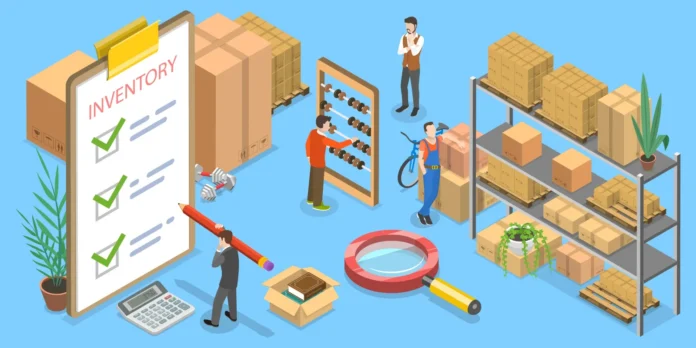
Optimizing Inventory Management for Rental Businesses
Source: marqueetech.io
Inventory management for a rental company involves more than counting equipment. Managers need to know whether an asset is available, reserved, rented, being transported, under inspection, in maintenance, damaged, or scheduled for another transaction.
A connected system can help organize this information, but accuracy still depends on disciplined check-out, transfer, service, and return processes.
Real-Time Tracking: The Key to Availability and Performance
A shared rental platform can provide visibility into fleet status across authorized users and locations. Sycor.Rental includes asset management, availability, graphical scheduling, check-in and check-out, maintenance, and transportation functions.
Managers may use this information to examine:
Current equipment availability
Existing reservations
Active rental contracts
Planned rental start and end dates
Equipment awaiting delivery or collection
Assets undergoing maintenance
Damage and repair history
Meter readings
Rental revenue
Utilization measures
Upcoming workshop orders
Software records should not be confused with GPS tracking. The location displayed in an ERP system may reflect the latest transaction or employee update. Continuous physical location tracking generally requires telematics, GPS devices, or another connected service.
Utilization reports can help identify assets that are frequently requested or seldom rented. Those findings may inform purchasing, transfer, pricing, maintenance, or retirement decisions. Managers should also consider seasonality, regional demand, equipment condition, financing, transportation costs, and strategic needs.
Automated Replenishment: Reducing Downtime and Waste
The concept of automated replenishment applies more naturally to spare parts, consumables, and saleable inventory than to large rental assets. A rental company usually does not want the system to purchase another excavator or crane automatically because a stock threshold has been reached.
Appropriate purchasing and planning functions may help teams:
Monitor spare-part quantities
Create alerts for low-stock items
Prepare purchase requisitions
Review supplier information
Plan asset procurement
Schedule preventive maintenance
Record repairs and component use
Evaluate equipment replacement needs
Sycor.Rental supports rental asset procurement and connects with Dynamics 365 Supply Chain Management. The exact level of automation depends on the workflows, approval limits, inventory policies, and configurations established during implementation.
Scheduled maintenance can reduce avoidable downtime, but it cannot ensure that equipment will remain in perfect condition. Inspections, operator reports, telematics, repair history, manufacturer guidance, and service capacity all contribute to maintenance planning.
Inventory optimization should balance availability with capital cost. Keeping too little equipment can result in missed rentals, while purchasing too much can leave capital tied up in underused assets.
Critical Insights: Cost Savings with Rental ERP Software
Source: pactsoft.ae
Cloud-based rental ERP software can reduce some manual work and improve access to operating information. However, cost savings and return on investment vary according to the company’s existing systems, implementation scope, data quality, adoption, and ability to redesign inefficient processes.
Licensing software without addressing operating practices may simply reproduce existing problems in a newer system.
Maximizing ROI through Efficient Resource Allocation
A connected platform can help managers evaluate how equipment, employees, service capacity, transportation, and working capital are being used. Useful measures may include:
Fleet utilization
Rental revenue by asset or category
Maintenance and repair cost
Transportation cost
Contract profitability
Invoice accuracy
Days to invoice
Equipment turnaround time
Overdue returns
Time spent on manual data entry
Automation may reduce repetitive work, but it does not guarantee staff reductions or immediate savings. Employees may instead use the time for customer service, fleet planning, exception management, collections, or other higher-value activities.
Return on investment should be evaluated using measurable assumptions. The business can compare implementation and operating costs with expected improvements in processing time, billing accuracy, utilization, reporting, and system maintenance.
Relevant costs may include licenses, consulting, data migration, integrations, testing, employee training, change management, support, customization, and internal project time.
Integrating Financial Management for Enhanced Decision Making
Source: apexaccountants.tax
Sycor.Rental is built on Microsoft Dynamics 365 Finance and Supply Chain Management. This allows rental transactions to connect with invoicing and financial records within the same broader ERP environment.
Integrated information may help businesses analyze:
Revenue by asset, category, customer, or branch
Repair and maintenance expenses
Transportation charges
Acquisition and ownership costs
Recurring rental invoices
Accounts receivable
Asset depreciation
Contract margins
Capital spending
Budget performance
Power BI can be used to present information through reports and dashboards. The quality of the results depends on accurate transaction processing, consistent cost allocation, appropriate data models, and clearly defined metrics.
Forecasts should not be treated as guarantees. Historical trends may support planning, but demand can change because of weather, construction activity, customer budgets, competition, economic conditions, and other external factors.
In summary, cloud-based rental ERP software can connect asset, contract, service, transportation, and financial processes. Sycor.Rental offers rental-specific capabilities within Microsoft Dynamics 365, giving companies an option for managing more of the rental lifecycle in one environment.
Successful implementation requires careful planning. Businesses should document current workflows, define future processes, clean existing data, confirm integration requirements, establish security roles, train users, and measure results after launch.
FAQ
What metrics should businesses use to assess the effectiveness of cloud-based rental software?
Useful metrics may include fleet utilization, turnaround time, maintenance cost, billing accuracy, days to invoice, overdue returns, contract margin, equipment downtime, manual processing time, portal adoption, and customer service response time. The chosen metrics should reflect the goals established before implementation.
How does cloud-based equipment rental software enhance data security?
A cloud platform may provide encryption, identity management, access controls, monitoring, updates, and resilience features. Security remains a shared responsibility. The customer must manage user access, permissions, devices, data, integrations, configurations, and internal security procedures.
Are cloud-based systems adaptable for businesses of different sizes?
Some platforms can support additional users, locations, equipment, and applications, but scalability should not be assumed. A company should evaluate licensing, implementation complexity, performance, configuration limits, localization, reporting, and support against its expected growth.
What role do analytics play in cloud-based rental software?
Analytics can help businesses examine utilization, revenue, costs, maintenance, customer activity, and operational performance. Reports are only as reliable as the underlying records and metric definitions. Analytics should support management judgment, not replace it.
How do automated invoicing features work in rental software?
The system uses configured contracts, rental periods, rates, services, quantities, billing schedules, and adjustments to prepare invoices. Exceptions, damage charges, extensions, credits, taxes, and disputed items may still require employee review.
What are the energy efficiencies gained from using cloud technologies?
Rental software does not directly guarantee lower energy use. It may provide equipment-utilization and maintenance information that supports operational decisions. Measuring energy improvements generally requires relevant meter or telematics data and a defined comparison method.
Can cloud-based equipment rental software integrate with other business applications?
Yes, many platforms provide integration options. Sycor.Rental operates within Microsoft Dynamics 365 and can work with Microsoft tools such as Power BI. Connections to CRM, telematics, tax, payment, document, or other systems may require separate licensing, configuration, or custom integration.
What are the costs typically associated with implementing cloud-based rental software?
Costs may include subscriptions, implementation consulting, data migration, customization, integrations, testing, training, change management, support, and internal project resources. Businesses should request a detailed scope and calculate expected value using realistic operational assumptions.
Plasma donation plays a crucial role in the realm of modern medicine. It provides vital support to individuals battling conditions such as hemophilia and immunodeficiencies, often making the difference between life and death.
Personal narratives reveal the profound influence of plasma donation. Many patients have reported significant enhancements in health and quality of life due to plasma-derived therapies.
In addition to the humanitarian aspect, donors frequently receive financial compensation for their contributions, typically ranging from $20 to $50 per donation. This economic benefit complements the altruistic act of helping others.
Consistent plasma donation can lighten financial burdens. Donors often find the compensation helpful for covering daily expenses, making their choice both practical and charitable.
Plasma-derived therapies are indispensable for numerous medical requirements. They include treatments for burn victims and trauma patients, showcasing the variety of ways in which donated plasma can be utilized.
The management of chronic illnesses significantly improves with the help of plasma products, assisting patients in stabilizing their immune responses and enhancing their participation in day-to-day activities.
First-time donors can prepare for a successful experience by adhering to simple tips. Staying hydrated, eating nourishing meals, and dressing in comfortable clothing can enhance the donation process.
Opening up the Life-Saving Potential of Plasma Donation
How Plasma Donation Directly Impacts Patient Health
Source:pexels.com
Plasma donation transcends mere altruism; it’s a fundamental part of contemporary healthcare. Plasma is the liquid portion of blood, containing vital proteins that support blood clotting, immunity, and other essential functions. When individuals step forward to donate plasma, they offer a lifeline for patients grappling with various conditions. The direct impact on patient health cannot be emphasized enough. For those receiving treatment for diseases like hemophilia or certain immunodeficiencies, plasma-derived therapies can truly mean the difference between life and death.
Consider this: patients reliant on therapies derived from donated plasma often deal with conditions that severely diminish their quality of life. According to the U.S. Department of Health and Human Services, donated plasma is used to create therapies for people with immune deficiencies, bleeding disorders, neurological conditions, and other serious illnesses. Without access to these critical treatments, many face prolonged health challenges.
Transforming Lives: Real Stories from Plasma Recipients
Nothing encapsulates the essence of plasma donation more than the personal experiences of those who receive its benefits. Take, for instance, Sarah, a recipient who battled a rare immune disorder and needed regular infusions of immunoglobulin therapy derived from plasma. “Every time I got treatment, I felt like I’d received a second chance at life,” she recalls. Such narratives illustrate how individual lives are transformed through the simple yet powerful act of donating plasma.
A compelling testimony comes from James, who had surgery for a liver condition. After losing significant blood volume, he relied on plasma to regain his health. “I was astonished by how quickly I felt the difference. It was an amazing turnaround,” he said. Through these stories, the remarkable influence of plasma becomes clear, highlighting not just the medical benefits but the emotional relief it provides to both recipients and their families.
Financial Rewards: More Than Just a Noble Cause
Understanding the Compensation Structure for Donors
Source:pexels.com
Donating plasma is often perceived as a selfless endeavor aimed at aiding others. That said, the compensation available to donors is an essential aspect that deserves attention. Many plasma donation centers offer financial remuneration for each donation. While the amount can differ, grasping this compensation structure is vital for those considering donation. It transforms the act into not only a charitable contribution but also a source of monetary gain.
Compensation varies by donation center and location.
First-time donors might receive bonuses or additional incentives.
Frequency of donation is important; many centers allow up to two donations each week.
Clarifying these financial components helps prospective donors understand how giving plasma can also yield economic benefits. Interestingly, many individuals discover they can integrate plasma donation into their routine while enjoying a modest yet useful income boost.
How Earning While Giving Can Benefit Your Budget
The concept of donating plasma often evokes thoughts of community service and philanthropic efforts. Yet, the fact that this process can provide practical financial benefits frequently goes unnoticed. Donors can effectively earn additional money while contributing to saving lives. With budgets tight, every dollar holds significance. Regular plasma donation can help individuals mitigate some financial pressures.
Picture being able to donate plasma twice a week; that could result in extra cash for groceries, bills, or even recreational activities. According to FDA guidance for Source Plasma donation, donors should not undergo plasmapheresis more frequently than once within a 48-hour period or more than twice within a seven-day period.
Establish a donation schedule that aligns with personal availability.
Use the compensation to enhance savings or manage monthly costs.
Connect with other donors to foster a community and exchange experiences.
There’s something fulfilling about turning a good deed into a financial gain. Donating plasma not only transforms lives in need but also enriches the experience for the donor.
The Role of Plasma in Advanced Medical Treatments
Source:pexels.com
Exploring Plasma-Derived Therapies and Their Applications
Medical professionals view plasma as a key therapeutic component. The range of applications for plasma-derived treatments is remarkable. From binding proteins that assist in healing to immunoglobulin therapy for immune disorders, the opportunities are extensive. The American Red Cross explains that plasma and plasma derivatives are used in the care of trauma and burn patients as well as people with bleeding disorders, immune deficiencies, and other medical conditions.
Furthermore, research into plasma’s potential applications is ongoing. Scientists continuously investigate how to harness its components for treatments that once appeared impossible. One area that is gaining traction involves the development of clotting factors, crucial for those experiencing bleeding disorders. Every plasma donation plays a role in advancing such therapies, helping to bridge the gap between scarcity and abundance.
The Surprising Connection Between Plasma and Chronic Illness Management
Chronic illnesses impact millions worldwide, and plasma products are integral to managing certain conditions. A good number of patients with autoimmune diseases, for instance, depend heavily on plasma-based therapies to keep their symptoms under control. The statistics are quite impressive, with plasma therapy emerging as a frontline treatment for several conditions. Yet, not everyone is fully aware of the life-saving benefits arising from plasma.
Patients managing chronic conditions frequently witness significant enhancements in their quality of life, thanks to plasma. Infusions can stabilize immune responses, allowing individuals to participate more fully in their daily routines. As with any persistent health concern, knowing when to seek medical attention and discussing symptoms with a qualified healthcare professional remains important.
Educational resources on plasma and its applications can be valuable.
Network support can aid patients in accessing plasma therapy.
Research on plasma’s potential is expanding, yielding promising outcomes.
These connections underscore the vital significance of plasma donation in advancing medical care. Donors are not simply giving; they’re becoming integral players in the healing process.
Getting Started: What to Expect as a First-Time Donor
Source:pexels.com
Working through the Donation Process with Confidence
Stepping into the world of plasma donation can seem overwhelming, especially for those new to it. Grasping the donation process helps cultivate confidence. Upon reaching the donation center, donors typically participate in a health screening. This important examination ensures they are fit to donate, confirming the safety of both the donor and the recipient.
The donation process generally includes eligibility screening, plasmapheresis, and a short recovery period. HHS notes that the first plasma donation may take longer than later visits, while donors are monitored throughout the process and advised to rehydrate afterward.
Essential Tips for a Smooth and Successful Donation Experience
First-time donors can significantly benefit from several straightforward tips that can improve their overall experience. Preparing for the donation is key to ensuring everything goes smoothly. Here are some helpful suggestions:
Stay well-hydrated on the day before and the morning of donating.
Enjoy a nutritious meal to maintain stable blood sugar levels.
Wear loose, comfortable clothing for easy access to arms during the donation.
Post-donation, it remains vital to rest and care for oneself. Nourishing the body aids in replenishing energy levels after the donation. The emotional gratification derived from donating plasma stands as a worthy reward, reinforcing the importance of engaging in this transformative process.
Plasma donation carries deep implications for countless lives. Each donor participates in a larger narrative within healthcare. They extend beyond their personal needs, welcoming the opportunity to foster healing. By navigating the donation journey with confidence, individuals not only assist others but also enrich their own lives.
Busy periods expose every weak point in a large building. A lobby that feels spacioufrustrating when hundreds of people arrive together.
Corridors collect queues, elevators become confusing, and visitors stop where everyone else needs to keep moving. Improving visitor flow is not about making people walk faster. It is about reducing uncertainty, spreading demand, and making each decision easier.
For offices, hospitals, campuses, venues, and mixed-use properties, the strongest approach combines clear wayfinding, smart operations, and useful building data so people can move naturally when traffic spikes.
Find pressure points before peak traffic starts
Source: forbel.com
The first step is to stop treating congestion as one big problem. In most large buildings, pressure develops in specific places and at predictable times.
Entrances, reception desks, security checkpoints, elevator banks, corridor intersections, restrooms, and event spaces are common trouble spots.
Facility teams should observe real peak periods and note where people slow down, turn around, form informal lines, or ask for help.
Useful questions include:
Where do visitors stop to understand where they are?
Which queues spill into normal walking routes?
Do several destinations depend on the same elevator bank?
This makes visitor flow management more practical. Instead of adding staff everywhere or redesigning whole floors, teams can concentrate on a handful of decision points where small changes can have a meaningful operational effect.
Make wayfinding work when the building is crowded
Good building wayfinding should reduce thinking time, especially when a visitor cannot see much beyond the people ahead. Directional signs need to appear before a decision point, not after it.
Floor numbers, destination names, color zones, recognizable landmarks, kiosks, and mobile directions should also use the same language.
A July 2026 field study published in Buildings tested supplementary floor signage in a complex teaching building at Beijing University of Technology.
Mean wayfinding time fell from 163.75 seconds to 133.80 seconds, an 18.29% reduction.
Digital navigation can extend that idea. Indoor mapping for smart offices can connect routes with room, asset, and space information, helping visitors navigate while giving facility teams a clearer view of how the building is being used.
Manage arrival and circulation as one connected journey
Peak-period planning often focuses on the entrance, but the visitor journey does not stop after check-in. A fast lobby can still feed people into an overloaded elevator bank, crowded corridor, or reception area that cannot absorb the next wave.
It helps to map the full path from arrival to destination and identify places where demand bunches together.
The UK Health and Safety Executive recommends considering crowd movement across three broad phases: arrival and entry, circulation inside the venue, and leaving or dispersal. That framework is useful for other high-traffic buildings too because it forces operators to think beyond the front door.
Did you know? A queue is not only a waiting-time problem. Once it blocks a pedestrian route, it can create congestion for people who are not even using that service.
Reduce friction at the entrance
Source: deskflex.com
Arrival areas work better when visitors know what to do before reaching the front of a line. Pre-registration, QR check-in, clearly separated security and reception functions, visible destination information, and scheduled arrival windows can all reduce hesitation. If different visitor groups have different needs, one shared queue may be the wrong setup.
A large office, for example, can separate employees using badges, pre-registered guests, deliveries, and people who need assistance. A hospital might distinguish scheduled appointments from walk-in services. The goal is not to create extra rules. It is to stop one slower process from delaying everyone.
During major peaks, temporary staff can be most useful before the bottleneck forms. Someone near the entrance who answers basic questions can prevent unnecessary lines from developing deeper inside the building.
Keep corridors, elevators, and shared spaces predictable
Once visitors are inside, movement should feel obvious. People should not have to stop in the middle of a corridor to decide whether to turn, change floors, or ask for directions. Keep major paths visually clear, move temporary displays away from circulation routes, and prevent waiting areas from forming directly in front of elevators, stairs, or doors.
Pressure point
Practical response
Operational benefit
Elevator bank
Group destinations by floor or zone
Less hesitation
Corridor junction
Add early directional cues
Fewer wrong turns
Popular service area
Create a defined waiting zone
Clearer through-traffic
The HSE also advises keeping pedestrian routes free from obstructions that can create pinch points.
Use live building data to make faster decisions
The biggest gains come when teams can respond during a busy period, not only review it afterward. Occupancy sensors, access-control data, room bookings, elevator analytics, help-desk requests, and indoor maps can reveal how space is actually being used.
The useful part is not collecting more data. It is knowing what action to take when one zone fills faster than expected.
A facilities team might open an alternate entrance, redirect visitors toward another elevator bank, move staff to a growing queue, or update digital directions around a temporary bottleneck. Over time, recurring patterns also become easier to spot, such as a lobby that overloads every Monday morning.
The best smart-building systems support both sides of the experience. Visitors need simple instructions. Operators need enough context to manage capacity before inconvenience turns into congestion.
Make peak periods feel routine
Source: quinnevans.com
Large buildings rarely need one dramatic fix to improve visitor flow. They need a coordinated system that helps people make the next decision without stopping, backtracking, or joining the wrong queue.
Start by finding real bottlenecks, improve wayfinding at decision points, treat arrival and internal circulation as one journey, and use live data to respond as conditions change. Technology helps most when it makes movement simpler for visitors and decisions clearer for operators.
When those goals line up, staff solve fewer avoidable problems, visitors feel more confident, and a very busy building can still feel organized.
Frequently Asked Questions
How early should a building prepare for a predictable busy period?
Planning should begin before people arrive. Review expected attendance, meetings, deliveries, access requirements, staffing, and temporary closures. For recurring peaks, compare previous traffic patterns and prepare the highest-risk areas first.
Can visitor flow improve without changing the building layout?
Yes. Better signage, queue placement, check-in processes, staff positioning, digital directions, and scheduling can make a noticeable difference without structural work. The priority is reducing hesitation and separating waiting areas from active circulation.
Should visitors use alternate routes during very busy periods?
Sometimes. Alternate routes can work when they are equally safe, accessible, clearly communicated, and easy to understand. Avoid sending visitors through unfamiliar or operational areas simply to hide a visible queue.
What should facility teams measure after a busy period?
Track waiting time, queue length, common wrong turns, elevator demand, help requests, congestion locations, and visitor feedback. Those signals show where the next operational change is most likely to improve flow.
Detecting plumbing issues early can stop minor problems from evolving into costly repairs. Regular plumbing inspections identify leaks before they result in significant water damage, saving homeowners thousands.
A sudden spike in water bills, the appearance of water stains on walls, low water pressure, and odd noises from pipes are all indicators that plumbing needs attention. Staying alert can help homeowners dodge expensive repairs in the future.
Investing in energy-efficient plumbing fixtures such as low-flow toilets and tankless water heaters can lead to significant reductions in water and energy use. These upgrades also help the environment by conserving overall water resources.
Having access to 24/7 emergency plumbing services is vital in thwarting extensive damage from problems like burst pipes. Fast responses can significantly reduce potential damage and mitigate crisis situations.
Long-term plumbing repairs should be prioritized over quick fixes to prevent recurring issues. Quality repairs from seasoned professionals foster more reliable plumbing systems and diminish the frequency of emergency calls.
Regular maintenance, which includes periodic inspections and the replacement of fixtures, can result in significant long-term savings. Taking proactive steps helps avert minor issues from escalating and ensures system efficiency.
Investing in plumbing services enhances both home safety and comfort, while simultaneously protecting one of life’s most valuable assets. Professional plumbing care demonstrates the importance of proactive strategies, energy-efficient upgrades, and dependable emergency services.
Spotting Issues Before They Escalate
Source:magnific.com
How Early Detection Saves Big Bucks
In home maintenance, early detection of plumbing issues is crucial. This can mean the difference between a small inconvenience and a financial nightmare. Many homeowners might dismiss small leaks or drips, thinking they pose no real threat. But even a minor leak can escalate into significant water damage over time. This isn’t just about a home’s appearance; it’s about protecting an investment.
Household leaks can also waste substantial amounts of water and raise utility bills. The EPA recommends regularly checking for leaks and considering leak detection or flow-monitoring devices that can identify unusual water use before a small issue becomes a larger problem.
Signs That Your Plumbing Needs Attention
Clients should watch for specific signs that indicate plumbing problems. Overlooking these signals can lead to costly repairs later. Common plumbing indicators include:
Unexplained water bills: A sudden increase might suggest hidden leaks.
Water stains: Often found on ceilings and walls, these signals indicate leaks behind surfaces.
Low water pressure: This could signify clogs or corrosion in the pipes.
Odd noises: Gurgling or banging sounds from pipes should be promptly investigated.
By remaining vigilant about plumbing issues, homeowners proactively manage their responsibilities. It’s straightforward: pay attention to your home, and it returns the favor. Many clients find that regular checks bring not just peace of mind but also a boost in their home’s market value. Now that’s a win-win!
Energy Efficiency: A Smart Investment
How Modern Plumbing Reduces Utility Bills
Source:pinterest.com
In a world that increasingly values sustainability, energy-efficient plumbing is the unsung hero. Modern fixtures—such as low-flow toilets and tankless water heaters—can create significant savings on monthly utility bills. According to the EPA, products carrying the WaterSense label are designed to use at least 20% less water while meeting performance criteria.
But it’s not just about savings; energy-efficient plumbing benefits the planet too. Using less water means reduced demand on water supplies and less energy required to treat and heat water. Homeowners often find that the initial investment in plumbing upgrades can provide long-term savings.
Tips for Choosing Energy-Efficient Fixtures
Selecting the right fixtures is essential for maximizing energy efficiency. When making choices, homeowners should consider the following:
Look for WaterSense labels: These fixtures are independently certified for water efficiency and performance.
Research flow rates: Knowing the typical flow rate for faucets and fixtures helps in finding efficient options.
Consider efficient toilets and faucets that reduce water consumption without sacrificing normal performance.
For example, efficient faucets carrying the WaterSense label can reduce bathroom sink water flow by 30% or more compared with the standard flow rate.
While navigating these choices might seem challenging, it ultimately boils down to making informed decisions. Many homeowners overlook the advantages of simple plumbing upgrades. By choosing wisely, they set themselves up for better long-term savings and a more eco-friendly lifestyle.
Emergency Services: Peace of Mind
Source: jerseyshoredraincleaning.com
How Quick Responses Prevent Extensive Damage
Clients genuinely grasp the importance of plumbing emergency services when issues arise. A burst pipe at an inconvenient hour can lead to disastrous outcomes without timely intervention. The clock is ticking, and the consequences can be severe. Quick responses can stop manageable issues from developing into extensive water damage.
Water intrusion also creates conditions in which mold can grow. The CDC recommends fixing plumbing leaks and other moisture problems and drying wet materials quickly to reduce the risk of mold growth.
Many reputable plumbing companies provide 24/7 emergency services for this very reason. Older plumbing systems can be prone to various failures, especially in older homes. Rapid attention can contain a crisis and effectively minimize damages.
24/7 Availability: Why It Matters More Than Ever
Access to round-the-clock plumbing services is now essential, not just a luxury. Emergencies don’t conveniently work 9 to 5. A family might find themselves suddenly without water exactly when they need it most. Comfort and safety hinge on reliable services available any time, day or night. It’s all about securing peace of mind.
The ability to reach a professional at any hour serves as a reminder that help is always just a call away.
Many plumbing businesses take pride in their quick response times. Clients often express appreciation for the reassurance that comes with knowing someone who understands plumbing emergencies is always accessible. In some cases, that level of service is truly invaluable.
Long-Term Solutions Over Quick Fixes
Understanding the Value of Quality Repairs
Source:magnific.com
When choosing plumbing repairs and installations, quality cannot be overstated. Sure, a quick fix is tempting—cost-effective and fast—but it usually leads to recurring headaches later. Experts advocate prioritizing long-term solutions that provide reliability and consistent performance. What’s the price attached to a problem that keeps coming back? It’s a burden.
Homeowners should adopt an investment perspective when considering quality repairs through established plumbing services. Such professionals bring the expertise needed to address underlying issues rather than merely masking surface problems. Choosing quality not only results in fewer recurring issues but also reduces emergency call-outs.
The same principle applies to water-heating equipment. The U.S. Department of Energy notes that tankless water heaters heat water on demand and avoid the standby losses associated with conventional storage tanks.
Preventative Maintenance: Keeping Costs Down
Creating a routine maintenance schedule is essential for safeguarding plumbing systems. Regular check-ups can be a game changer. Simple actions—like clearing drains, inspecting pipes for wear, or replacing aging fixtures before they fail—can lead to major long-term savings.
Schedule periodic inspections: These visits can uncover minor issues before they escalate.
Check plumbing fixtures and visible pipes for signs of leaks or deterioration.
Flush the water heater according to the manufacturer’s maintenance recommendations.
Monitor unusual changes in water use that could indicate a hidden leak.
The EPA also recommends ongoing home maintenance, including regular leak checks and monitoring water bills for unexplained increases.
Clients often report less stress and fewer unexpected expenses post-implementation of consistent preventative maintenance. Those who commit to this proactive approach develop a more resilient plumbing system.
Ultimately, investing in plumbing services equips homeowners to save significantly while also protecting their most valued asset. Proactive measures, energy-efficient fixtures, and fast emergency responses underscore the undeniable worth of professional plumbing services.
FAQ
What are the signs of a plumbing problem?
Common warning signs include unexplained increases in water bills, water stains, dripping fixtures, low water pressure, slow drains, unusual pipe noises, and visible moisture around plumbing fixtures.
How often should plumbing be inspected?
There is no single schedule suitable for every property. Homeowners should routinely check visible pipes, fixtures, water heaters, and water bills, while older homes or systems with recurring problems may benefit from more frequent professional inspections.
Are water-efficient plumbing fixtures worth it?
They can reduce household water consumption and utility costs. WaterSense-labeled products are independently certified to meet EPA criteria for both efficiency and performance.
When is a plumbing problem an emergency?
Burst pipes, major uncontrolled leaks, sewer backups, flooding, or situations that leave the home without essential water service generally require immediate professional attention.
Can a small leak cause serious damage?
Yes. Even relatively small leaks can waste water and create persistent moisture that damages walls, floors, cabinets, and other materials. Moisture can also support mold growth if the underlying problem is not corrected.
Can homeowners handle plumbing repairs themselves?
Simple tasks such as replacing an aerator or addressing a minor, accessible fixture issue may be manageable for some homeowners. Persistent leaks, pipe damage, sewer problems, water-heater issues, and other complex repairs are generally better handled by qualified professionals.
Live casino games use real dealers and physical equipment, but studio cameras, streaming and digital controls create an experience distinct from both land-based tables and computer-generated games.